
Business 110
Dacia CEO Urges EU to Freeze Small Car Rules to Cut Prices
In this issue
Business 110
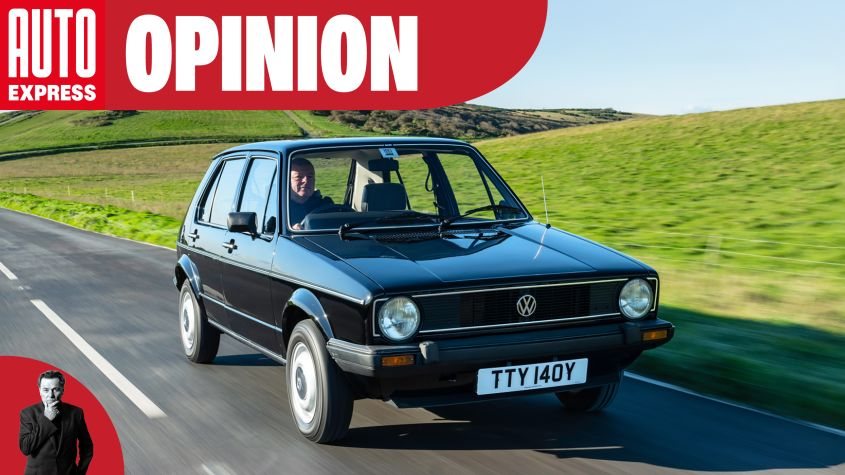
Dacia CEO Urges EU to Freeze Small Car Rules to Cut Prices
Culture 89
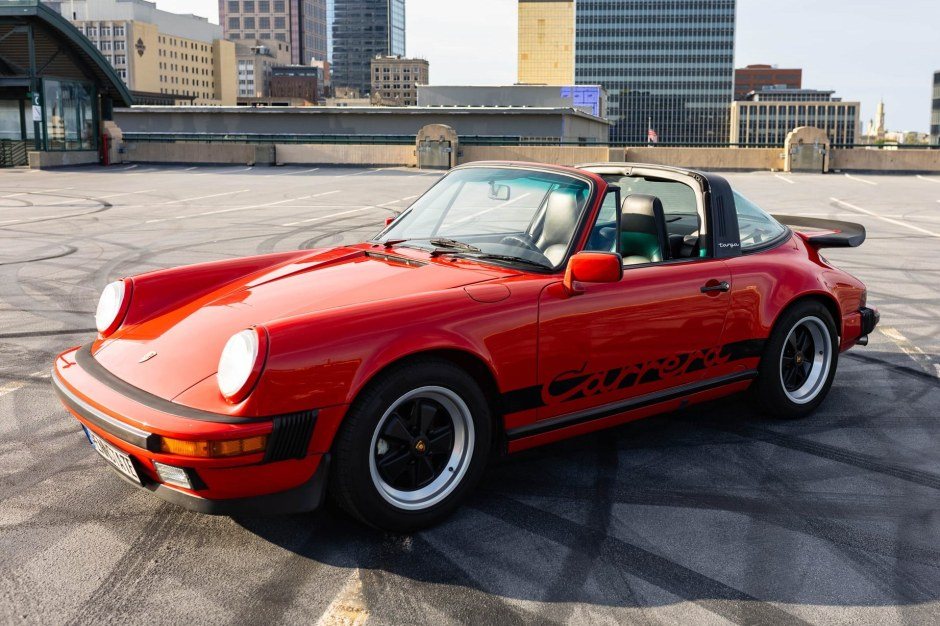
1988 Porsche 911 Carrera Targa G50 with Rebuilt Engine Heads to Auction
Economy 30
HMRC is writing to low earners about pension top-ups averaging about £70
News 123
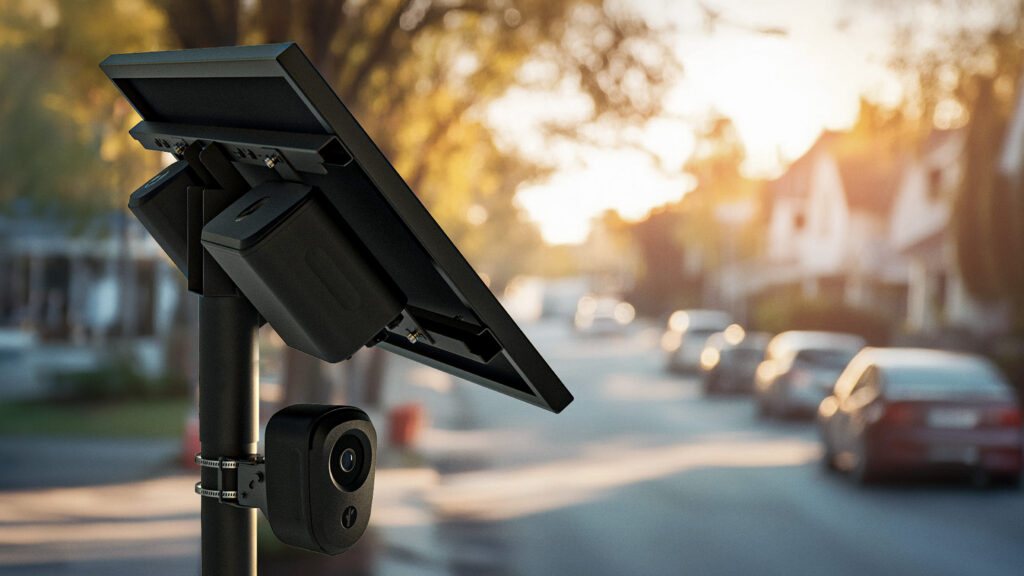
Aftermarket Trackers Recover 99% of Stolen Cars as Factory Systems Fail
Politics 104
Met police open inquiry into alleged foreign donations to Reform UK
Sports 231
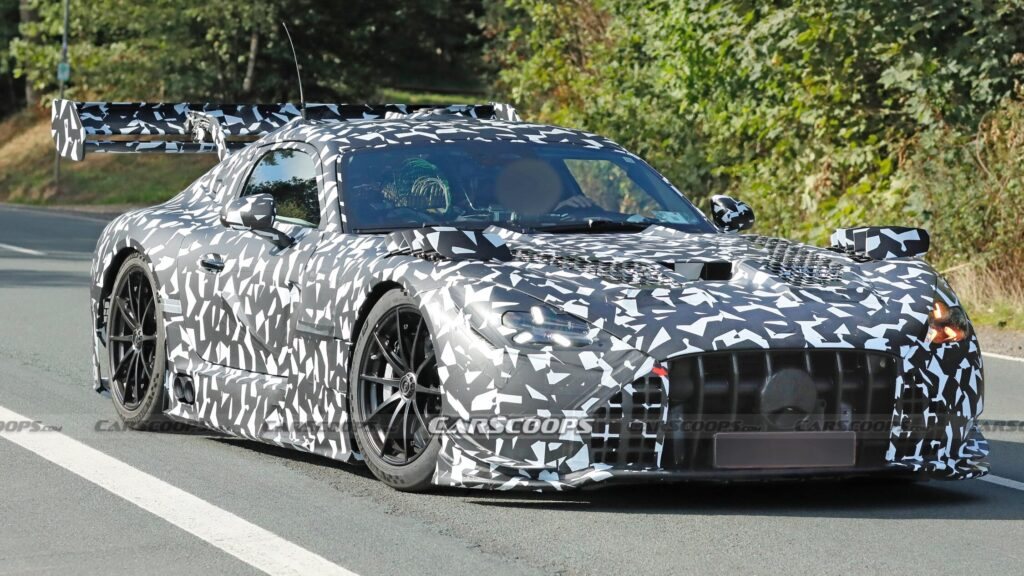
AMG GT Black Series Spied With Radical Aero Ahead of Nürburgring Record Attempt
Technology 117
BMW Confirms Next 3 Series Will Retain Plug-In Hybrid Power
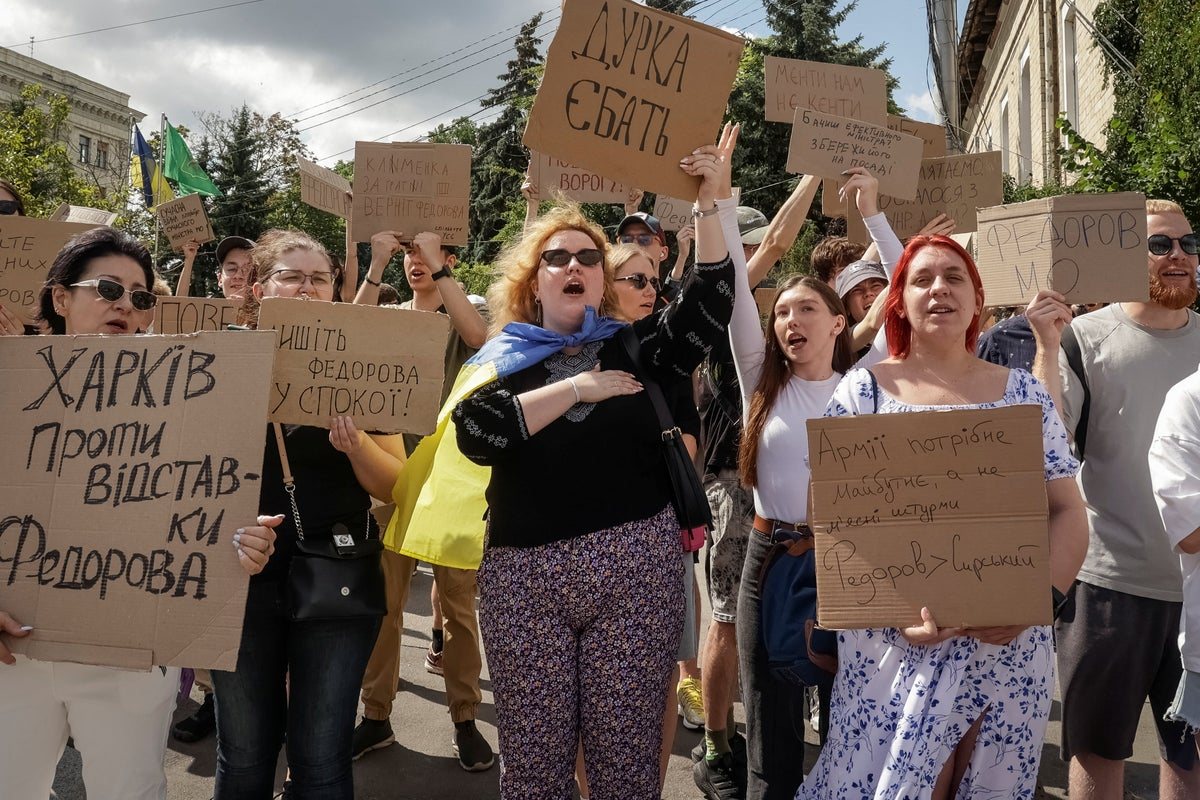
Keir Starmer, on his final visit to Kyiv as British prime minister, expressed confidence that Ukraine will defeat Russia, announced €300 million for Gripen jets, and reaffirmed UK support. Meanwhile, protests erupted in Kyiv over the dismissal of Defence Minister Mykhailo Fedorov, and deadly attacks continued on both sides.
By Edward Beaumont · 5 min read
Outgoing British Prime Minister Keir Starmer has declared that Ukraine will win its war against Russia, delivering a message of unwavering support during his final visit to Kyiv while in office. Meeting Ukrainian President Volodymyr Zelenskyy on Thursday, Starmer told Sky News: “I believe Ukraine will win this war.” He praised the Ukrainian military as “probably the most effective fighting machine in Europe,” noting that modern conflict depends not just on army size but on tactical innovation.
Starmer’s visit came on his last full day as Labour leader before stepping down. He stressed that the change in leadership would not alter the UK’s commitment to Ukraine. “The resolve of the United Kingdom remains the same, it will not waver,” he said. To underscore that pledge, Starmer announced a €300 million funding package to help deliver a squadron of 16 advanced Swedish Gripen jets to Ukraine by 2029. The multirole aircraft are capable of air-to-air combat, ground strikes, and reconnaissance missions, bolstering Ukraine’s defensive and offensive capabilities.
While Starmer’s visit highlighted international solidarity, domestic political turbulence in Ukraine dominated headlines. President Zelenskyy defended his decision to dismiss popular Defence Minister Mykhailo Fedorov, confirming reports of a breakdown in relations between the defence ministry and the country’s top army leadership. Fedorov, seen as an innovator in Ukraine’s successful drone technology programme, had clashed with the traditional military establishment. Zelenskyy’s backing of Armed Forces Commander General Oleksandr Syrskyi has sparked outrage among civil society, with more than 1,000 protesters gathering outside the presidential office in Kyiv on Thursday, carrying placards in support of Fedorov.
The personnel overhaul, which also included replacing the prime minister, could test Zelenskyy’s political authority as Ukraine’s fight against Russia’s full-scale invasion approaches four and a half years. Zelenskyy has remained in office under martial law, as wartime elections are prohibited, but he has periodically reshuffled his government. The protests signal growing public discontent with his leadership decisions amid the prolonged conflict.
On the battlefield, the war’s toll continued to mount. Russian and Ukrainian attacks on civilian areas killed at least 12 people on Thursday, local officials reported. A Russian guided bomb strike on the southeastern city of Zaporizhzhia killed three people and wounded 15. Russian missiles hit the Black Sea port of Odesa, killing two and injuring six. Near Kharkiv, a Russian drone attack killed one person. Earlier in the day, a drone attack near Kupiansk killed three, while one person died in the Donetsk region. On the Russian side, local officials in Belgorod Region said one person died when Ukrainian forces shelled a settlement near the border.
In a separate development, the head of the United Nations atomic agency, Rafael Grossi, condemned the killing of the chief engineer of Ukraine’s Russian-occupied Zaporizhzhia nuclear power plant in a drone strike. No one has claimed responsibility for the attack. Russia blamed Ukraine, but Kyiv described the accusations as “baseless” and said Moscow has failed to provide evidence. Alexei Likhachev, head of Russian nuclear giant Rosatom, claimed that Aleksandr Yakovlev died when “a drone belonging to the Ukrainian armed forces” hit a service vehicle near the plant. Grossi said the incident “represents an unacceptable attack on the plant and its management, seriously threatening nuclear safety.”
As the war enters its 1,605th day, the combination of military aid pledges, political upheaval in Kyiv, and continued civilian casualties underscores the complex and enduring nature of the conflict. Starmer’s final visit as prime minister served as a reminder of Western support, but the protests and personnel changes highlight the internal pressures facing Ukraine’s leadership as it seeks to sustain the fight against Russia.