
Business 110
Dacia CEO Urges EU to Freeze Small Car Rules to Cut Prices
In this issue
Business 110
Dacia CEO Urges EU to Freeze Small Car Rules to Cut Prices
Culture 89
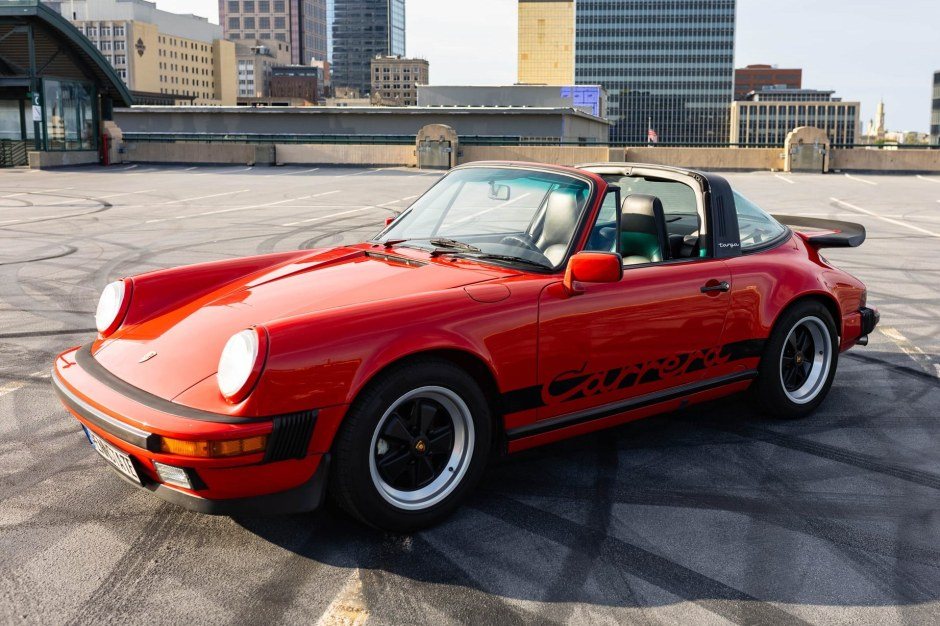
1988 Porsche 911 Carrera Targa G50 with Rebuilt Engine Heads to Auction
Economy 30
HMRC is writing to low earners about pension top-ups averaging about £70
News 123
Aftermarket Trackers Recover 99% of Stolen Cars as Factory Systems Fail
Politics 104
Met police open inquiry into alleged foreign donations to Reform UK
Sports 231
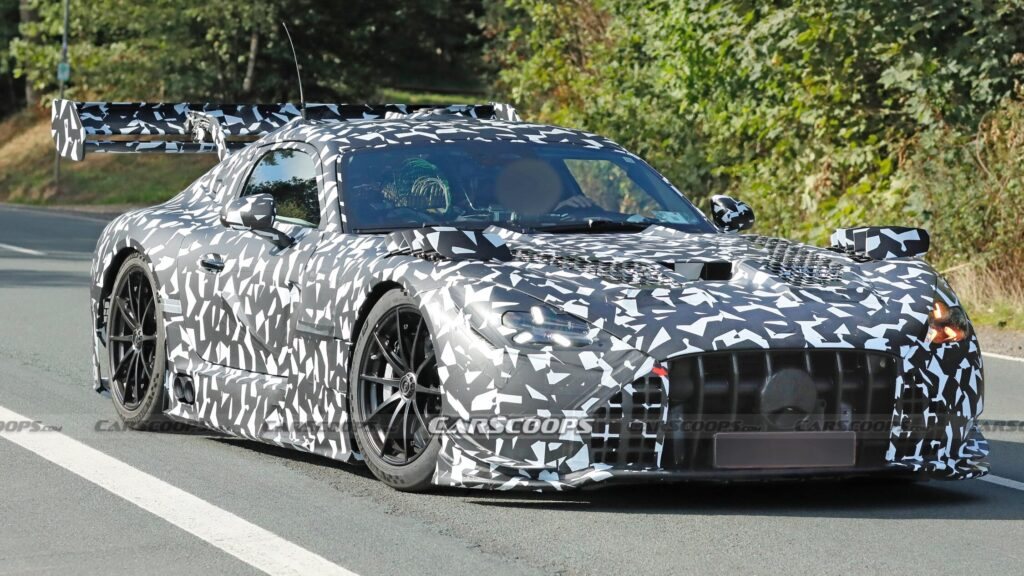
AMG GT Black Series Spied With Radical Aero Ahead of Nürburgring Record Attempt
Technology 116
Waymo Expands Driverless Ride-Hailing to Las Vegas
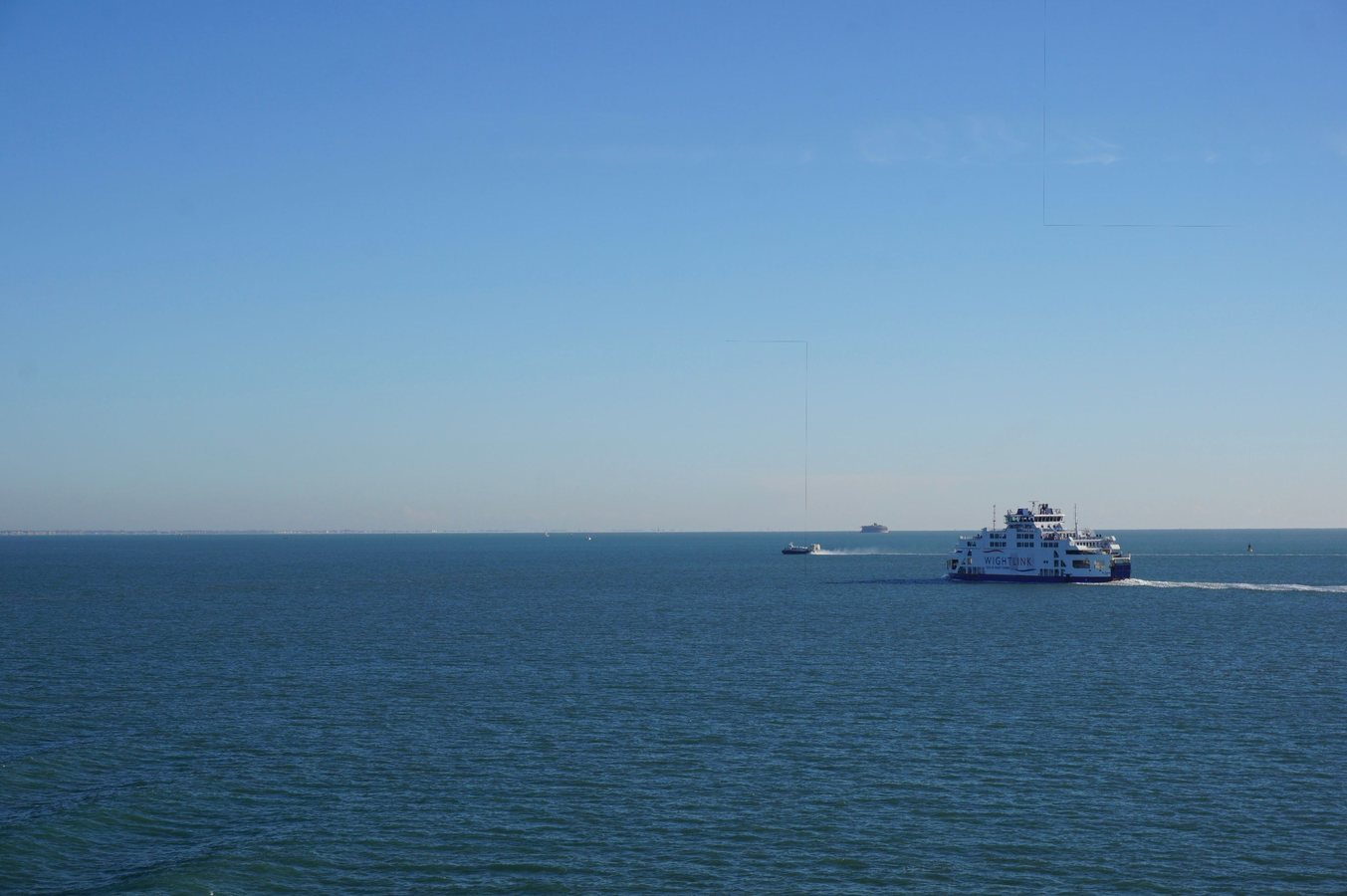
Masked anti-immigration groups blocked access around Dover and clashed with officers in Portsmouth. Attention is now turning to warnings received before the events and whether police intelligence systems were prepared for coordinated port protests.
By Charlotte Redford · 4 min read
Police forces are under growing scrutiny over their handling of coordinated anti-immigration protests in Dover and Portsmouth after road blockages, clashes and injuries raised questions about whether authorities had enough warning to prepare.
The first major disruption came in Dover. Around 150 people gathered near the port on Saturday and blocked access roads, according to the Home Office. Kent Police initially called it a no-notice protest, a description suggesting officers had little opportunity to prepare resources in advance.
Subsequent reporting complicated that picture. Information about far-right activists gathering in a village around 18 miles from Dover had been passed to police before the blockade. The warning was not fully assessed before the protest developed, prompting criticism of the force’s intelligence handling rather than simply its response on the ground.
In Portsmouth, another anti-immigration gathering became more confrontational. Protesters assembled around the arrival of migrants rescued at sea, and clashes with officers followed. Police are investigating alleged assaults and damage, while officers were reported injured. The government condemned intimidation and disruption around the ports.
The two events shared enough characteristics to concern national policing bodies. Organisers appear to have relied on private communications and regional networks rather than a conventional publicly advertised demonstration. Participants were able to coordinate arrivals and, in some cases, used face coverings and matching dark clothing.
That style of organisation presents a difficult challenge. Police cannot assume that political mobilisation is criminal simply because it is private or controversial. Peaceful protest remains protected. But forces also have a duty to act when demonstrations obstruct strategic roads, threaten individuals, interfere with emergency access or become violent.
The key question is how quickly information moves from a tip or online observation into an operational assessment. A force may possess fragments of intelligence without understanding that they form part of a coordinated plan. If separate regional groups are working together, the need for national information sharing becomes more important.
Ports make the stakes higher. Dover is a major route for passengers and freight between Britain and continental Europe. Portsmouth is an important ferry and naval city. Blocking access can therefore cause wider transport and economic disruption even when the number of protesters is relatively small.
The government has pressed police to improve intelligence gathering ahead of any further actions. National coordination structures have increased vigilance, while local forces are examining possible offences connected with the weekend events.
There is a second issue for public confidence: consistency. Demonstrators of different political causes expect the law to be applied on the basis of conduct rather than ideology. That means police need to explain why arrests are or are not made, what evidence thresholds apply and how they distinguish lawful protest from intimidation and obstruction.
The investigations in Dover and Portsmouth are still developing. Their significance will depend partly on whether charges follow. But the more immediate lesson is already clear: the next coordinated port protest is likely to be judged against the warnings generated by this one, and police will be expected to show that intelligence was assessed before disruption began rather than after roads were already blocked.