
Business 110
Dacia CEO Urges EU to Freeze Small Car Rules to Cut Prices
In this issue
Business 110
Dacia CEO Urges EU to Freeze Small Car Rules to Cut Prices
Culture 89
1988 Porsche 911 Carrera Targa G50 with Rebuilt Engine Heads to Auction
Economy 30
HMRC is writing to low earners about pension top-ups averaging about £70
News 123
Aftermarket Trackers Recover 99% of Stolen Cars as Factory Systems Fail
Politics 104
Met police open inquiry into alleged foreign donations to Reform UK
Sports 231
AMG GT Black Series Spied With Radical Aero Ahead of Nürburgring Record Attempt
Technology 117
BMW Confirms Next 3 Series Will Retain Plug-In Hybrid Power
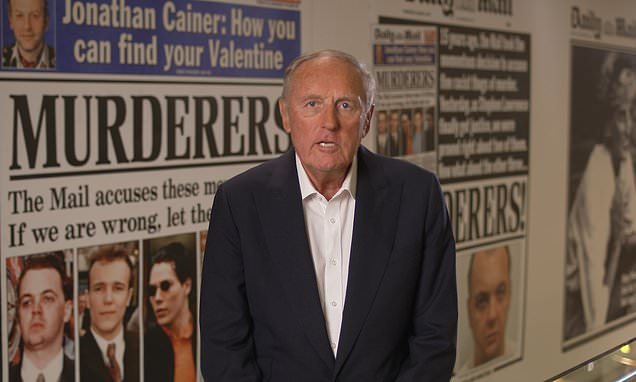
The Duke of Sussex and six other high-profile figures had their claims of unlawful information gathering against Associated Newspapers dismissed by a High Court judge, a decision hailed as a vindication by the publisher's editor-in-chief.
By Edward Beaumont · 5 min read
The Duke of Sussex and six other prominent figures have lost their High Court battle against the publisher of the Daily Mail, after a judge dismissed allegations of unlawful information gathering. The ruling, delivered on Tuesday, represents a significant legal victory for Associated Newspapers, which had faced claims of phone hacking and other privacy breaches spanning several years.
Associated Newspapers editor-in-chief Paul Dacre described the outcome as «an overwhelming vindication of our journalism». In a statement following the judgment, Dacre emphasised that the court had rejected what he characterised as baseless accusations against the newspaper group. The case had attracted widespread attention due to the involvement of Prince Harry, who has been engaged in multiple legal actions against British media outlets.
The claims, brought by the Duke of Sussex alongside celebrities including Sir Elton John, Baroness Doreen Lawrence, and others, alleged that the Daily Mail’s publisher had engaged in unlawful activities such as phone hacking, bugging, and the misuse of private information. However, the High Court judge ruled that the evidence presented did not support these allegations, leading to the dismissal of the entire case.
Legal experts noted that the decision marks a rare defeat for Prince Harry in his ongoing campaign against the British press. The duke has previously secured victories in other cases, including a settlement with Mirror Group Newspapers over phone hacking. Tuesday’s ruling, however, underscores the high bar required to prove such claims in court, particularly when they involve allegations of systematic misconduct by a major publisher.
The case had been closely watched by media lawyers and press freedom advocates, who argued that a victory for the claimants could have set a precedent for broader liability in newsgathering practices. The dismissal is likely to be seen as a reassurance for publishers facing similar lawsuits, though it does not preclude future legal actions based on different evidence.
Associated Newspapers has consistently denied any wrongdoing throughout the proceedings. In its defence, the publisher argued that the claims were based on unreliable evidence and that the allegations were too vague to be tested in court. The judge agreed, finding that the claimants had failed to establish a realistic prospect of proving their case at trial.
For Prince Harry, the loss adds to a mixed record in his legal battles with the press. While he has achieved settlements in some instances, this ruling highlights the challenges of holding media organisations accountable without concrete proof of unlawful behaviour. The duke’s legal team has not yet indicated whether they will appeal the decision.
The other claimants in the case included figures from the worlds of entertainment and public life, all of whom had alleged that their privacy was violated by the Daily Mail over many years. Their claims were dismissed on the same grounds, with the judge ruling that the evidence did not meet the threshold required to proceed to a full trial.
Media commentators have pointed out that the case reflects the ongoing tension between public figures’ right to privacy and the press’s freedom to investigate and report. The ruling is expected to be cited in future disputes, as courts continue to balance these competing interests under UK law.
Paul Dacre, who has led Associated Newspapers for decades, used the judgment to defend the Daily Mail’s journalistic standards. He argued that the newspaper group operates within the law and that the failed claims should restore public confidence in its reporting. The publisher has also faced criticism in the past over its editorial practices, but Tuesday’s decision provides a robust legal endorsement of its position.