Business 292
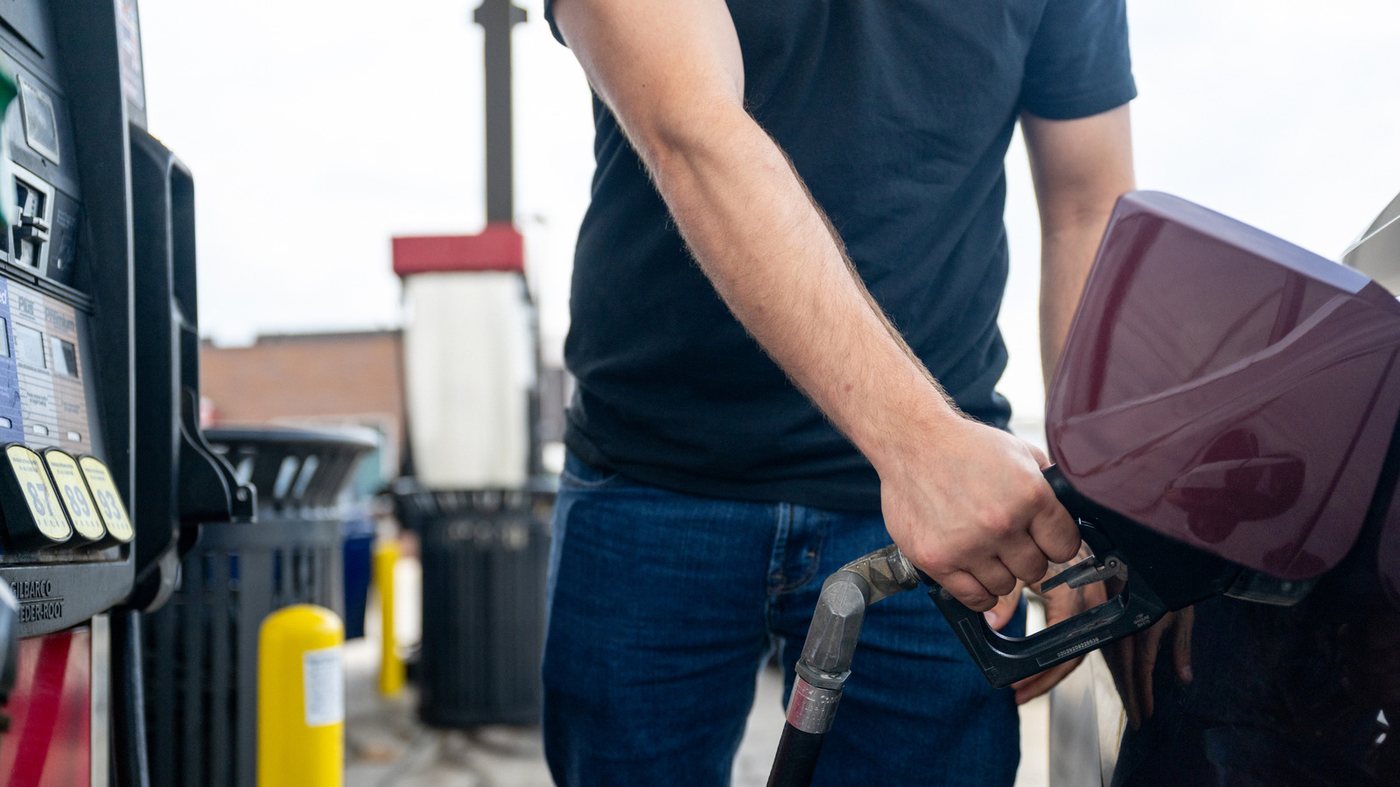
Used electric cars are selling faster than petrol and hybrid models
In this issue
Business 292
Used electric cars are selling faster than petrol and hybrid models
Culture 320
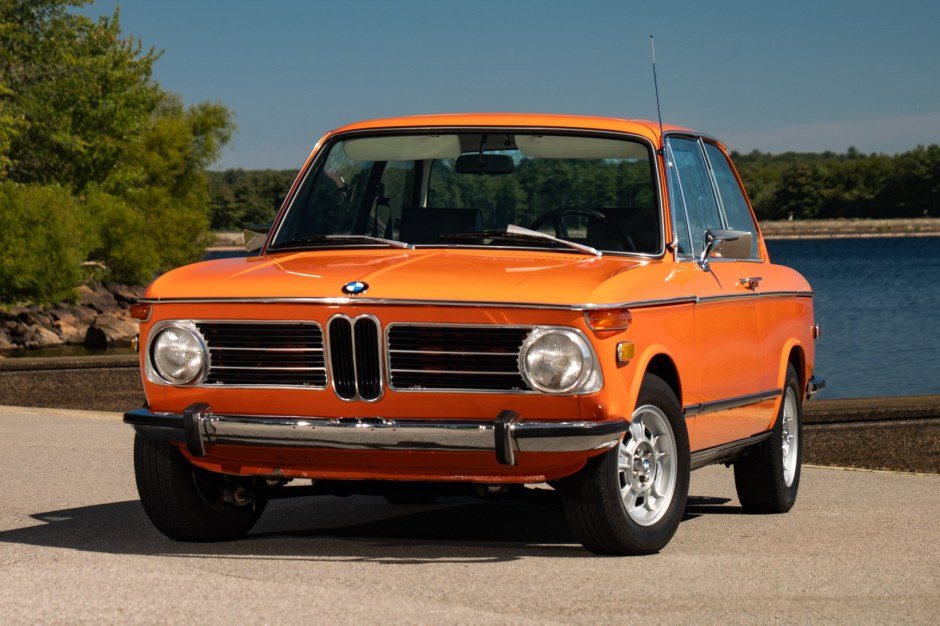
Restored 1973 BMW 2002tii offered in New Hampshire after US return from Canada
Economy 48
Three Tankers Reportedly Strike Mines in Strait of Hormuz
News 160
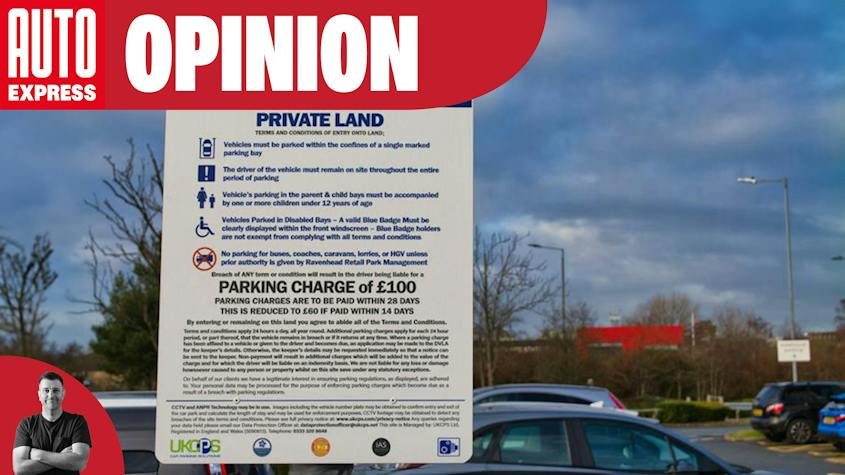
Private parking firms face pressure as UK motorists call for fairer rules
Politics 121
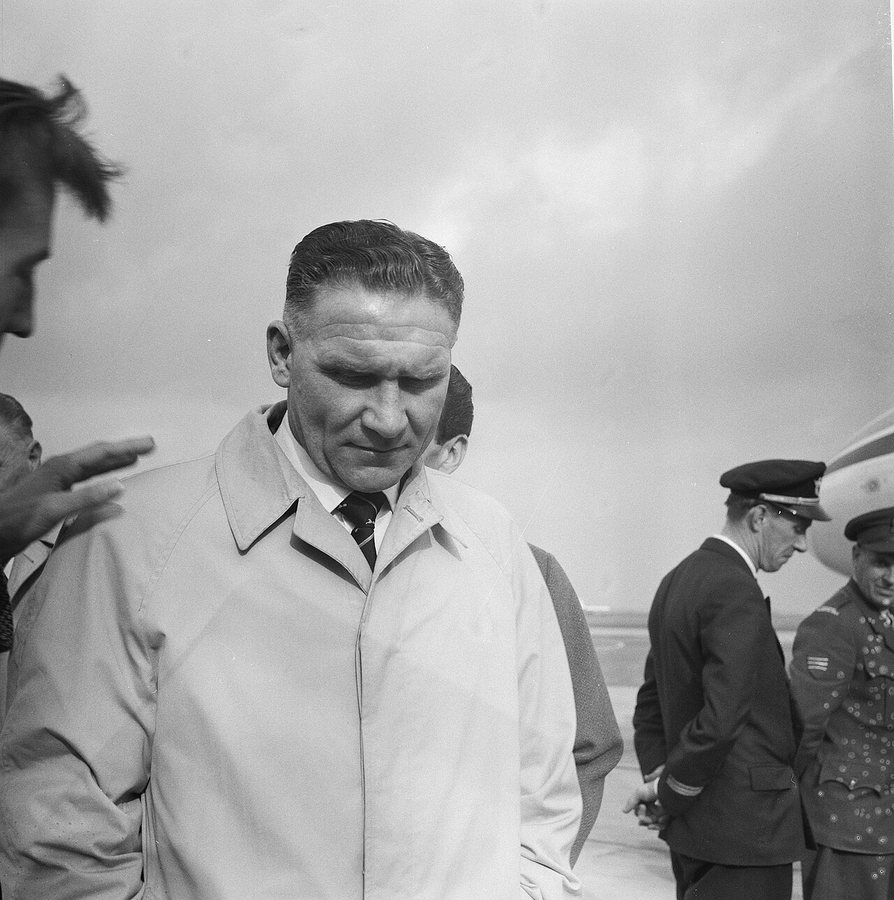
Burnham denies stopping ministers from discussing closer EU ties
Sports 290
Tottenham meet Crystal Palace in Premier League fixture on 31 October
Technology 347
Rivian Delivers Electric Van Update With 30% More Range and AWD

Reform UK has referred Green Party co-leader Zack Polanski to the police after he shared an image of a T-shirt featuring a guillotine alongside a phrase referencing Nigel Farage.
By George Kensington · 3 min read
Reform UK has reported Green Party co-leader Zack Polanski to the police over a social media post that showed a T-shirt bearing a guillotine and a slogan directed at Nigel Farage. The party said it had submitted a formal complaint to the Metropolitan Police, arguing that the image could be interpreted as a threat of violence against the Reform UK leader.
The post, which was later removed from Mr Polanski's account, depicted a man wearing a black T-shirt with the words «We're only making plans for Nigel» printed above a guillotine. The phrase is a play on the title of a 1979 song by XTC, but in the context of the image it was widely seen as a reference to executing the politician. Mr Polanski had shared the picture on social media before deleting it following criticism.
In a statement, Mr Polanski said he «condemns» the message on the T-shirt and insisted that he had not intended to cause offence. He said he had come across the image online and shared it without fully considering its implications. The Green Party co-leader added that he understood why the post had caused concern and apologised for any distress caused.
Reform UK, however, said the matter was serious enough to warrant a criminal investigation. A party spokesperson said: «This is not a matter of free speech. It is a direct call for violence against a political opponent. We expect the police to take it seriously.» The Metropolitan Police confirmed that it had received a report and was assessing whether any offence had been committed.
Cabinet Office minister Pat McFadden described the incident as a reminder for politicians to be «careful» on social media. Speaking to Sky News, Mr McFadden said: «People can make mistakes. It's for the police to decide if any action is needed, but everyone in public life should think twice before sharing material that could be seen as threatening or inflammatory.» He added that the tone of political debate in Britain risked becoming too toxic and that all parties had a responsibility to maintain civility.
The episode comes amid heightened tensions between political parties in the UK, with online abuse and complaints about the language used by politicians and their supporters becoming increasingly common. Mr Polanski's post has drawn particular attention because of the graphic nature of the guillotine imagery, which has historical associations with state execution and revolutionary violence. While the Green Party leader has apologised and removed the post, the incident has reignited debate about the boundaries of acceptable speech on social media platforms and the role of police in handling such complaints.
79