
Business 110
Dacia CEO Urges EU to Freeze Small Car Rules to Cut Prices
In this issue
Business 110
Dacia CEO Urges EU to Freeze Small Car Rules to Cut Prices
Culture 89
1988 Porsche 911 Carrera Targa G50 with Rebuilt Engine Heads to Auction
Economy 30
HMRC is writing to low earners about pension top-ups averaging about £70
News 123
Aftermarket Trackers Recover 99% of Stolen Cars as Factory Systems Fail
Politics 104
Met police open inquiry into alleged foreign donations to Reform UK
Sports 231
AMG GT Black Series Spied With Radical Aero Ahead of Nürburgring Record Attempt
Technology 117
BMW Confirms Next 3 Series Will Retain Plug-In Hybrid Power
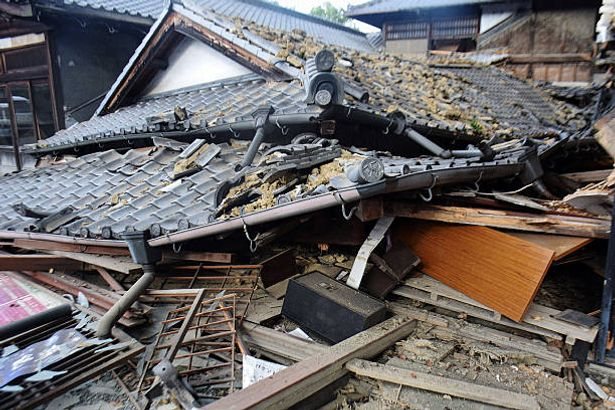
Emergency workers in southern Japan are racing against time to find survivors after a powerful earthquake caused a shopping centre to collapse, with at least 13 people dead and several missing.
By Edward Beaumont · 3 min read
Rescue teams in southern Japan are facing a race against time as they search for survivors trapped beneath the rubble of a collapsed shopping centre, following a powerful earthquake that has killed at least 13 people. The 7.1 magnitude tremor struck the island of Kyushu on Monday, causing extensive damage and triggering a partial collapse of an Aeon-operated shopping complex in Kumamoto.
Officials confirmed that three employees of the shopping centre are still missing, while three others were confirmed dead. Akio Yoshida, the president of retail company Aeon, told a press briefing that the company is working closely with emergency services. The collapse was followed by an explosion, which complicated rescue operations and raised fears of further instability.
The death toll is expected to rise as rescue crews continue to dig through debris. Japanese authorities have mobilised additional emergency response units, including specialist search teams with sniffer dogs and heavy equipment. Survivors may still be trapped in voids within the structure, and every hour reduces the chances of finding them alive.
The earthquake, which struck at a shallow depth, was felt across a wide area of southern Japan. Local authorities have set up evacuation centres for displaced residents and are assessing damage to other buildings. The region is prone to seismic activity, and Japan has strict building codes, but the suddenness and intensity of the tremor overwhelmed some structures.
Emergency workers have been labouring through the night, hampered by aftershocks and the risk of further collapse. The shopping centre, a major local facility, partially gave way shortly after the earthquake, trapping shoppers and staff. Witnesses reported scenes of panic as people fled the building.
Akio Yoshida expressed deep regret over the loss of life and pledged Aeon’s full cooperation with rescue efforts. He said the company was doing everything possible to support the families of the victims and the missing workers. Investigators are looking into whether the explosion that followed the collapse was caused by ruptured gas lines or other infrastructure damage.
The Japanese government has not yet issued a full assessment of the damage, but local media reports indicate that dozens of people have been injured. Hospitals in Kumamoto and surrounding areas have been placed on standby to treat casualties. The quake also prompted a tsunami warning for parts of the Kyushu coast, though the alert was later lifted without major waves being observed.
Rescue operations continue at the site, with heavy machinery being used to clear concrete and steel. Officials have warned that the risk of secondary disasters remains high, and they are urging people to stay away from damaged buildings. The search for the missing workers is expected to continue for several more days, depending on stability and weather conditions.