
Business 110
Dacia CEO Urges EU to Freeze Small Car Rules to Cut Prices
In this issue
Business 110
Dacia CEO Urges EU to Freeze Small Car Rules to Cut Prices
Culture 89
1988 Porsche 911 Carrera Targa G50 with Rebuilt Engine Heads to Auction
Economy 30
HMRC is writing to low earners about pension top-ups averaging about £70
News 123
Aftermarket Trackers Recover 99% of Stolen Cars as Factory Systems Fail
Politics 104
Met police open inquiry into alleged foreign donations to Reform UK
Sports 231
AMG GT Black Series Spied With Radical Aero Ahead of Nürburgring Record Attempt
Technology 117
BMW Confirms Next 3 Series Will Retain Plug-In Hybrid Power
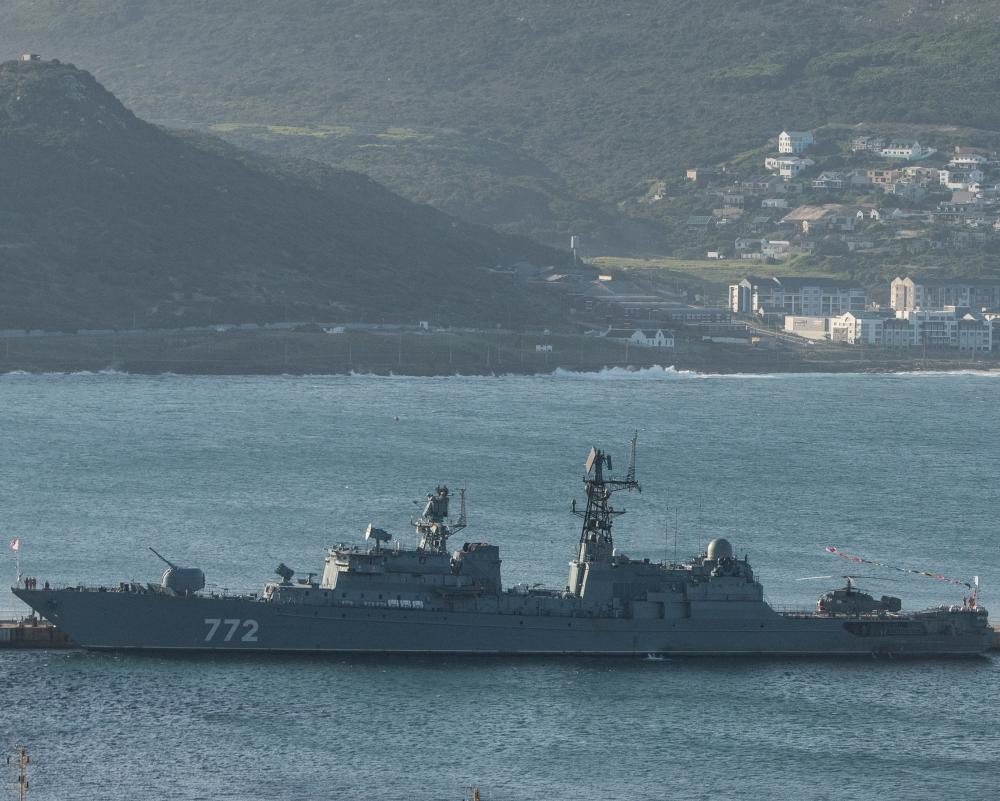
A Russian warship, the Neustrashimy, carried out a rare live-fire exercise 45 miles south of Plymouth, prompting condemnation from UK Defence Secretary Wes Streeting, who described the drill as 'performative and irresponsible'.
By George Kensington · 6 min read
A Russian warship has conducted a rare live-fire exercise just 45 miles off the coast of Plymouth, prompting a strong rebuke from the new UK Defence Secretary, Wes Streeting. The incident occurred on Monday, the same day Andy Burnham was appointed as Prime Minister, and has raised tensions in the region.
The Neustrashimy, a Russian frigate, suddenly announced its intention to fire its main cannon during a short-notice test in the morning. The vessel requested that a British warship, which had been monitoring its movements, retreat to a safe distance of a couple of miles to ensure safety during the drill. The UK Ministry of Defence confirmed that the Russian ship had been under surveillance by Royal Navy assets prior to the exercise.
Defence Secretary Wes Streeting condemned the Russian action, calling it «performative and irresponsible». In a statement, he emphasised that such drills near UK waters are unacceptable and undermine regional stability. «This is a deliberate provocation at a time when we are focused on national security and the safety of our citizens,» Streeting said. He added that the government would be reviewing the incident and considering appropriate diplomatic and defensive responses.
The live-fire exercise took place in international waters but within the UK’s exclusive economic zone, an area where nations have special rights regarding resource exploration and environmental protection. The location, 45 miles south of Plymouth, is a busy shipping lane and a region frequently patrolled by NATO forces. The Russian frigate Neustrashimy, which translates to «Fearless», is part of Russia’s Baltic Fleet and has been known to operate in the North Atlantic and English Channel in recent years.
This incident is the latest in a series of encounters between Russian military vessels and UK forces. In recent months, there have been several instances of Russian aircraft and ships approaching British airspace and waters, prompting Royal Navy and RAF responses. The UK has consistently maintained a policy of monitoring and intercepting such activities to ensure national security and uphold international maritime law.
The timing of the drill, coinciding with a change in UK leadership, has added to the political sensitivity. Andy Burnham’s appointment as Prime Minister marks a new chapter in British politics, and the government is keen to demonstrate its commitment to defence and sovereignty. The incident has also drawn attention from international allies, with NATO officials expressing solidarity with the UK and calling for restraint from Russia.
Experts have noted that while such exercises are not unprecedented, they are relatively rare and often seen as a show of force by Moscow. Dr. Sarah Jenkins, a defence analyst at the Royal United Services Institute, commented: «This is a calculated move by Russia to test the response of the new UK government and to signal its continued presence in the region. It is a reminder of the ongoing geopolitical tensions between Russia and NATO.»
The UK Foreign Office has summoned the Russian ambassador to protest the exercise, and the government is expected to raise the matter at the United Nations. The Ministry of Defence has also announced that it will increase surveillance of Russian naval movements in the coming weeks and enhance coordination with NATO partners to ensure a robust deterrent posture.
Local residents in Plymouth and the surrounding areas have expressed concern over the incident, with some calling for stronger measures to protect UK waters. The city of Plymouth, a historic naval base, has long been a focal point for maritime defence. The Royal Navy’s Devonport base, located in the city, is one of the largest naval bases in Western Europe and plays a crucial role in UK defence operations.
The Russian government has not officially commented on the exercise, but state media outlets have portrayed it as a routine training operation conducted in accordance with international law. However, the UK government has rejected this characterisation, insisting that the drill was provocative and unnecessary. The incident is likely to further strain relations between London and Moscow, which have been fraught since the annexation of Crimea in 2014 and the ongoing conflict in Ukraine.
In response to the drill, the Royal Navy has dispatched additional vessels to the area to monitor Russian activity and ensure the safety of commercial shipping. The UK also plans to discuss the incident with NATO allies at the next meeting of the North Atlantic Council, seeking a unified response to what it sees as a pattern of aggressive behaviour by Russia.
As the new government settles in, the incident serves as an early test of its foreign policy and defence strategy. Wes Streeting has vowed to take a firm stance against any threats to UK sovereignty, and the government is expected to outline its defence priorities in the coming weeks. The live-fire exercise off Plymouth is a stark reminder of the challenges facing the UK as it navigates a complex and often volatile international landscape.