
Business 110
Dacia CEO Urges EU to Freeze Small Car Rules to Cut Prices
In this issue
Business 110
Dacia CEO Urges EU to Freeze Small Car Rules to Cut Prices
Culture 89
1988 Porsche 911 Carrera Targa G50 with Rebuilt Engine Heads to Auction
Economy 30
HMRC is writing to low earners about pension top-ups averaging about £70
News 123
Aftermarket Trackers Recover 99% of Stolen Cars as Factory Systems Fail
Politics 104
Met police open inquiry into alleged foreign donations to Reform UK
Sports 231
AMG GT Black Series Spied With Radical Aero Ahead of Nürburgring Record Attempt
Technology 117
BMW Confirms Next 3 Series Will Retain Plug-In Hybrid Power
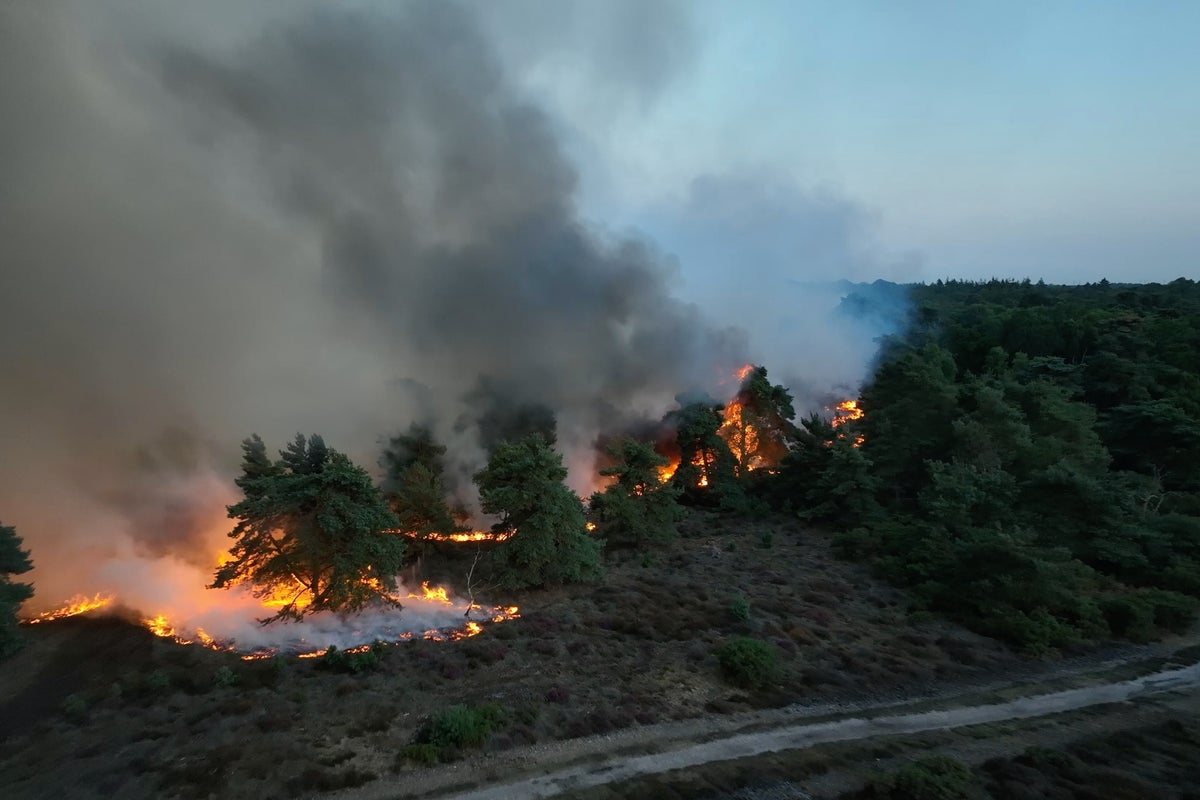
A wildfire on Dunwich Heath in Suffolk has led to the evacuation of homes and a holiday park, while the Sizewell B nuclear power station is closely monitoring the situation as firefighters battle the blaze amid severe drought conditions.
By George Kensington · 4 min read
A major wildfire has broken out on Dunwich Heath in Suffolk, forcing the evacuation of homes and a holiday park as the Sizewell B nuclear power station remains on alert. Firefighters are battling the blaze, which has already burned an area equivalent to 140 football pitches, and warn that the operation could continue for several days amid severe drought conditions.
Around 90 firefighters have been deployed to tackle the flames, which began on the heathland near Leiston, approximately three miles from the Sizewell B nuclear facility. A major incident has been declared, and authorities have urged members of the public to stay away from the area. The fire has also forced the closure of the RSPB Minsmere nature reserve, a vital habitat for rare bird species, which is now under threat from the advancing flames.
Approximately 200 caravans at a nearby holiday park have been evacuated, along with several residential properties. Emergency services have set up rest centres for displaced residents and holidaymakers. The Suffolk Fire and Rescue Service has described the blaze as «unprecedented» in its scale and intensity, noting that the dry conditions have created a tinderbox landscape. The fire service has advised that the fire is likely to burn for days, and a full containment timeline remains uncertain.
Sizewell B, the pressurised water reactor nuclear power station operated by EDF Energy, has stated that it is «closely monitoring» the wildfire. A spokesperson confirmed that there is no immediate threat to the plant, but that all safety procedures have been activated as a precaution. The plant continues to operate normally, and no evacuation of the site has been ordered. However, the proximity of the blaze has heightened concerns, given that the area is also home to the Sizewell A and planned Sizewell C sites.
The environmental impact of the fire is already significant. The RSPB reserve at Minsmere is internationally recognised for its birdlife, including species such as bitterns, marsh harriers, and nightjars. The fire has destroyed large areas of heathland and woodland within the reserve, potentially displacing wildlife and damaging fragile ecosystems. Conservationists have warned that the recovery of the habitat could take years.
The wildfire comes as much of southern England experiences an «exceptionally serious» drought, with the Met Office reporting record low rainfall and high temperatures. Similar grass fires have been reported in parts of London and other regions, stretching firefighting resources. The National Drought Group has warned that the situation could worsen unless significant rainfall arrives. Climate experts have linked the increasing frequency and intensity of wildfires in the UK to rising global temperatures and prolonged dry spells.
Local residents have expressed shock at the speed and ferocity of the fire. One evacuee described the scene as «apocalyptic», with thick smoke visible for miles. The Suffolk coast, usually a tranquil area of natural beauty, has been transformed into an emergency zone. Roads in the vicinity have been closed, and drivers are being advised to avoid the region.
The fire is the latest in a series of wildfires across the UK this summer, highlighting the growing risk posed by dry conditions. The government has faced calls to invest more in wildfire prevention and response, including better equipment for rural fire services and greater public awareness campaigns. In the meantime, firefighters continue their efforts to bring the Dunwich Heath blaze under control, with support from neighbouring counties.