
Business 110
Dacia CEO Urges EU to Freeze Small Car Rules to Cut Prices
In this issue
Business 110
Dacia CEO Urges EU to Freeze Small Car Rules to Cut Prices
Culture 89
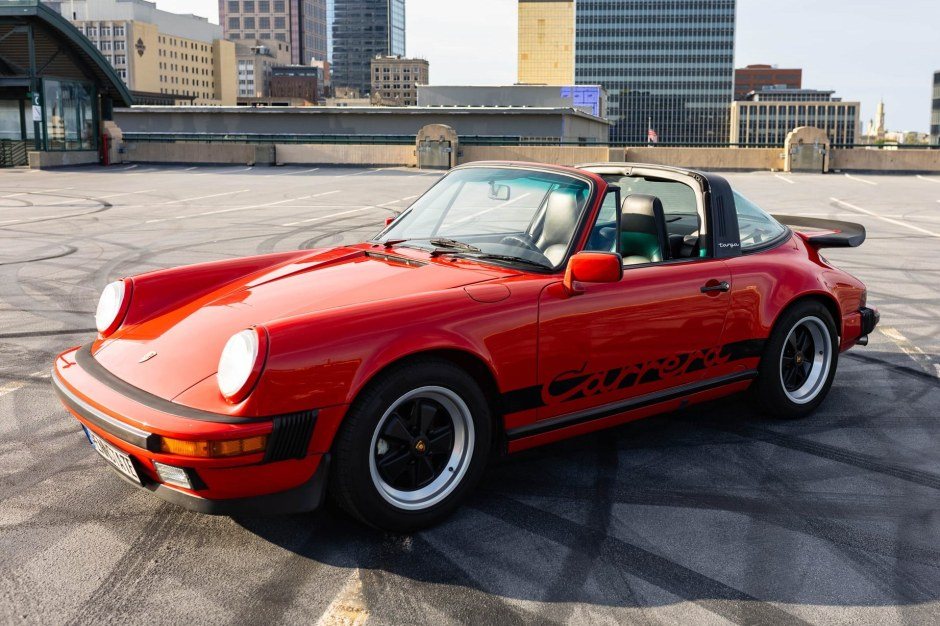
1988 Porsche 911 Carrera Targa G50 with Rebuilt Engine Heads to Auction
Economy 30
HMRC is writing to low earners about pension top-ups averaging about £70
News 123
Aftermarket Trackers Recover 99% of Stolen Cars as Factory Systems Fail
Politics 104
Met police open inquiry into alleged foreign donations to Reform UK
Sports 231
AMG GT Black Series Spied With Radical Aero Ahead of Nürburgring Record Attempt
Technology 117
BMW Confirms Next 3 Series Will Retain Plug-In Hybrid Power
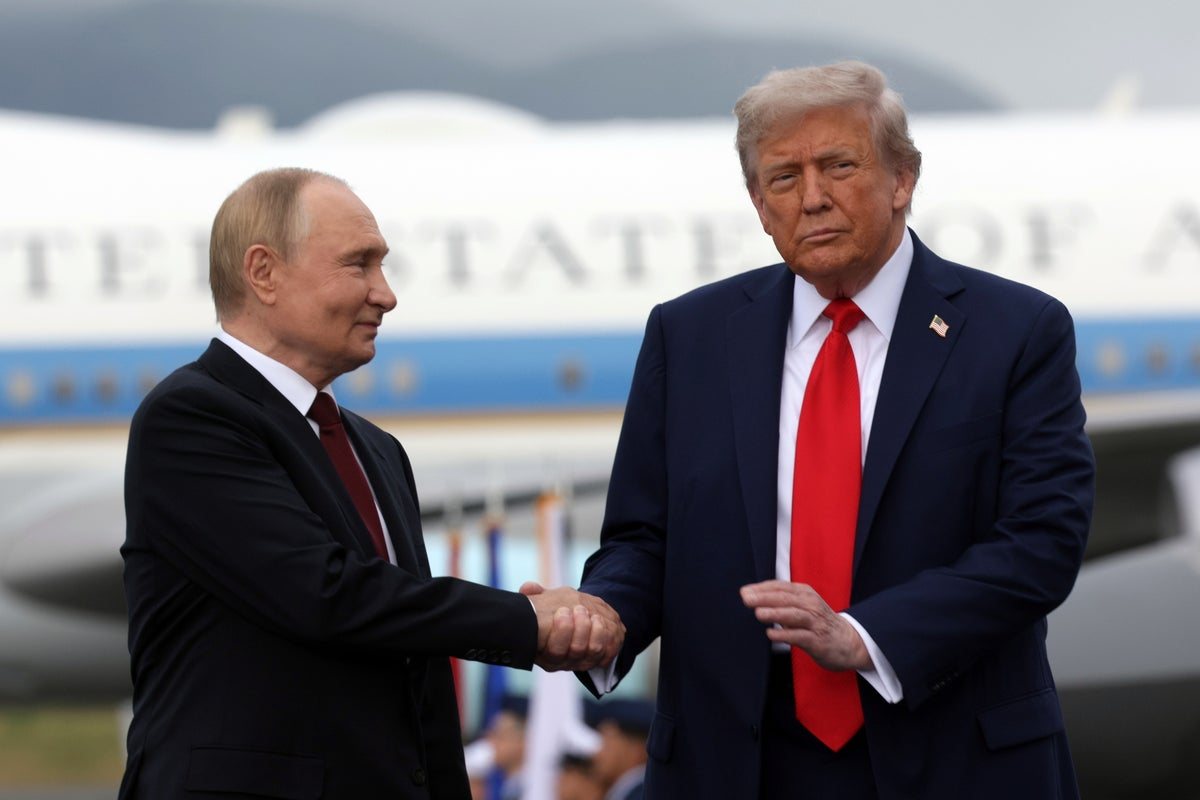
US President Donald Trump held a 90-minute phone call with Russian President Vladimir Putin, offering to help find a solution to the Ukraine war, as Ukrainian President Volodymyr Zelenskyy also spoke with Trump and expressed optimism about ending the conflict.
By Edward Beaumont · 6 min read
US President Donald Trump has repositioned himself as a peacemaker in the Ukraine war after holding a 90-minute phone call with Russian President Vladimir Putin, during which he offered to help find a solution to the conflict, a Kremlin aide has confirmed. The call took place on Saturday ahead of a NATO summit in Turkey, where Trump is expected to participate next week. Yuri Ushakov, a foreign policy aide to Putin, described the conversation as “business-like and quite constructive”, adding that Trump reiterated his readiness to work towards a rapid end to the fighting.
Ukrainian President Volodymyr Zelenskyy also spoke with Trump, describing the exchange as “very good” in a post on his Telegram account. Zelenskyy said the discussion covered the war’s 1,200-kilometre frontline and expressed confidence that there is “a real prospect to end this war”, noting that American resolve will be crucial. Both leaders agreed to continue discussions at the upcoming NATO meeting in Turkey, signalling a potential diplomatic push after months of intense fighting.
However, Ushakov accused Kyiv and its European allies of “counting on extending and even escalating the conflict”, pointing to Ukraine’s long-range strikes on Russian targets, particularly in the oil industry, which have triggered fuel shortages in several Russian regions. The Kremlin’s stance remains that Russia seeks “a political-diplomatic resolution of the conflict, with due account of Russia’s fundamental approach”, though it continues to press its military campaign in eastern Ukraine.
On the battlefield, Ukraine has denied Moscow’s claim that Russian forces captured the strategic city of Kostyantynivka in the eastern Donetsk region, a key target for the Kremlin. A Ukrainian army spokesperson, Andriy Kovalyov, told AFP that the city remains under Ukrainian control, while Zelenskyy dismissed Moscow’s announcement as “a lie”. He wrote on social media: “If Kostyantynivka were under Russian control, then perhaps Putin would have no problem meeting me there to find a diplomatic way to finally end this war.” Kovalyov admitted that small groups of Russian troops have infiltrated the town but insisted that fighting is ongoing, with Ukrainian forces maintaining control.
Putin, wearing a military uniform, had thanked troops on Friday for seizing Kostyantynivka, a town with a prewar population of 78,000 that Moscow has been trying to capture for months. Russia’s defence ministry claimed that “Russian troops are in all parts of the town”, but Ukraine’s military maintains that the situation remains difficult and that the city is not fully under Russian control.
In a significant escalation, Ukraine launched a massive drone attack on Russian territory overnight, hitting an oil terminal in St Petersburg, Putin’s hometown, as well as striking a port near Finland and causing debris to fall on the historical Peterhof complex, a giant estate of gardens and a palace, without causing damage. St Petersburg Governor Alexander Beglov said air defence forces shot down 72 drones, one of which crashed in Peterhof, but reported no casualties or damage. Moscow vowed to respond, saying it downed almost 500 Ukrainian drones and 10 of Kyiv’s Flamingo missiles overnight.
Zelenskyy also claimed that Kyiv struck the Kronstadt naval base in St Petersburg, part of what he described as Ukraine’s “long-range sanctions plan”. The attack came after a Russian strike on Kyiv this week killed 30 people, amid other strikes across Ukraine. Ukraine has been increasing strikes on Russian territory, hitting as far as the Urals far from the frontline, in retaliation for Moscow’s ongoing offensive.
Moscow Mayor Sergei Sobyanin said air defence had shot down 62 drones headed for the Russian capital. Authorities reported one person killed in the border Bryansk region and another in Russian-annexed Crimea. In the border Belgorod region, officials said “infrastructure facilities” had been damaged by the attacks, leading to disruptions to electricity and water supply. The drone strikes represent a significant intensification of Ukraine’s long-range capabilities, targeting critical energy infrastructure deep inside Russia.
The diplomatic developments come as the war enters its 1,593rd day, with both sides showing no signs of backing down. Trump’s offer to mediate, coupled with Zelenskyy’s optimism, raises the possibility of renewed peace talks, though the Kremlin’s accusations against Kyiv and its allies suggest deep mistrust remains. The upcoming NATO summit in Turkey could provide a platform for further discussions, but the situation on the ground remains volatile, with heavy fighting continuing in the Donetsk region and beyond.