
Business 110
Dacia CEO Urges EU to Freeze Small Car Rules to Cut Prices
In this issue
Business 110
Dacia CEO Urges EU to Freeze Small Car Rules to Cut Prices
Culture 89
1988 Porsche 911 Carrera Targa G50 with Rebuilt Engine Heads to Auction
Economy 30
HMRC is writing to low earners about pension top-ups averaging about £70
News 123
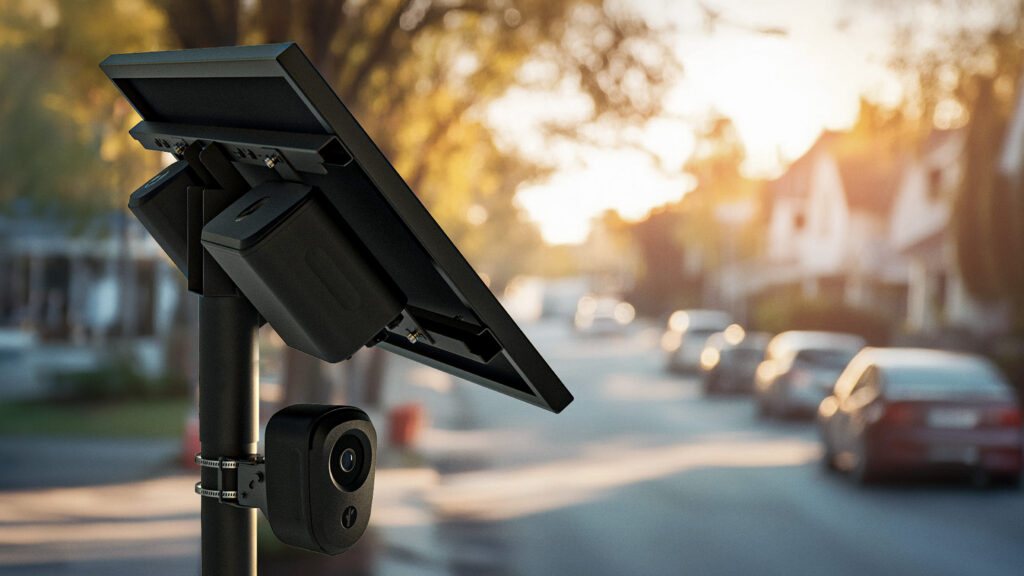
Aftermarket Trackers Recover 99% of Stolen Cars as Factory Systems Fail
Politics 104
Met police open inquiry into alleged foreign donations to Reform UK
Sports 231
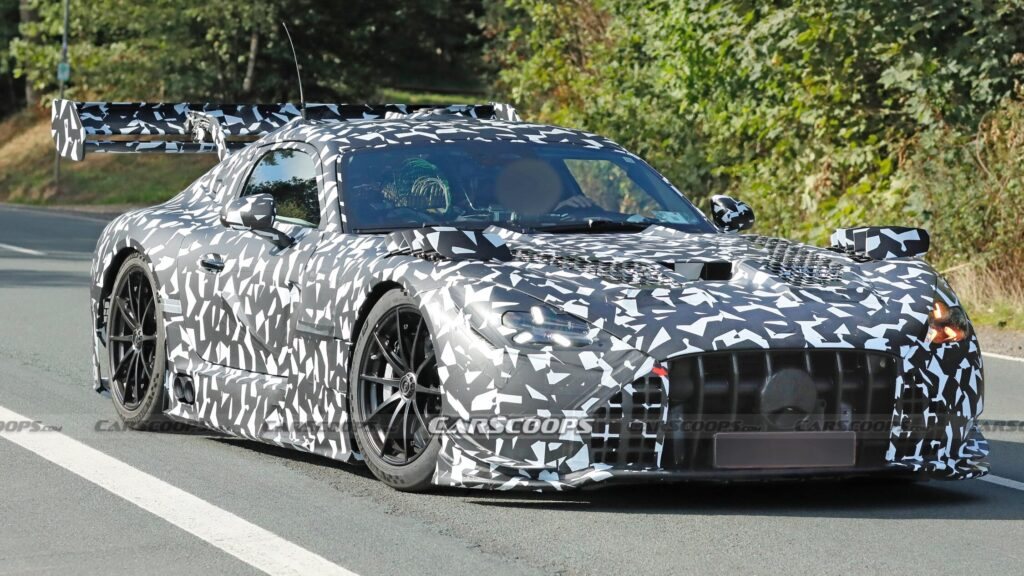
AMG GT Black Series Spied With Radical Aero Ahead of Nürburgring Record Attempt
Technology 117
BMW Confirms Next 3 Series Will Retain Plug-In Hybrid Power
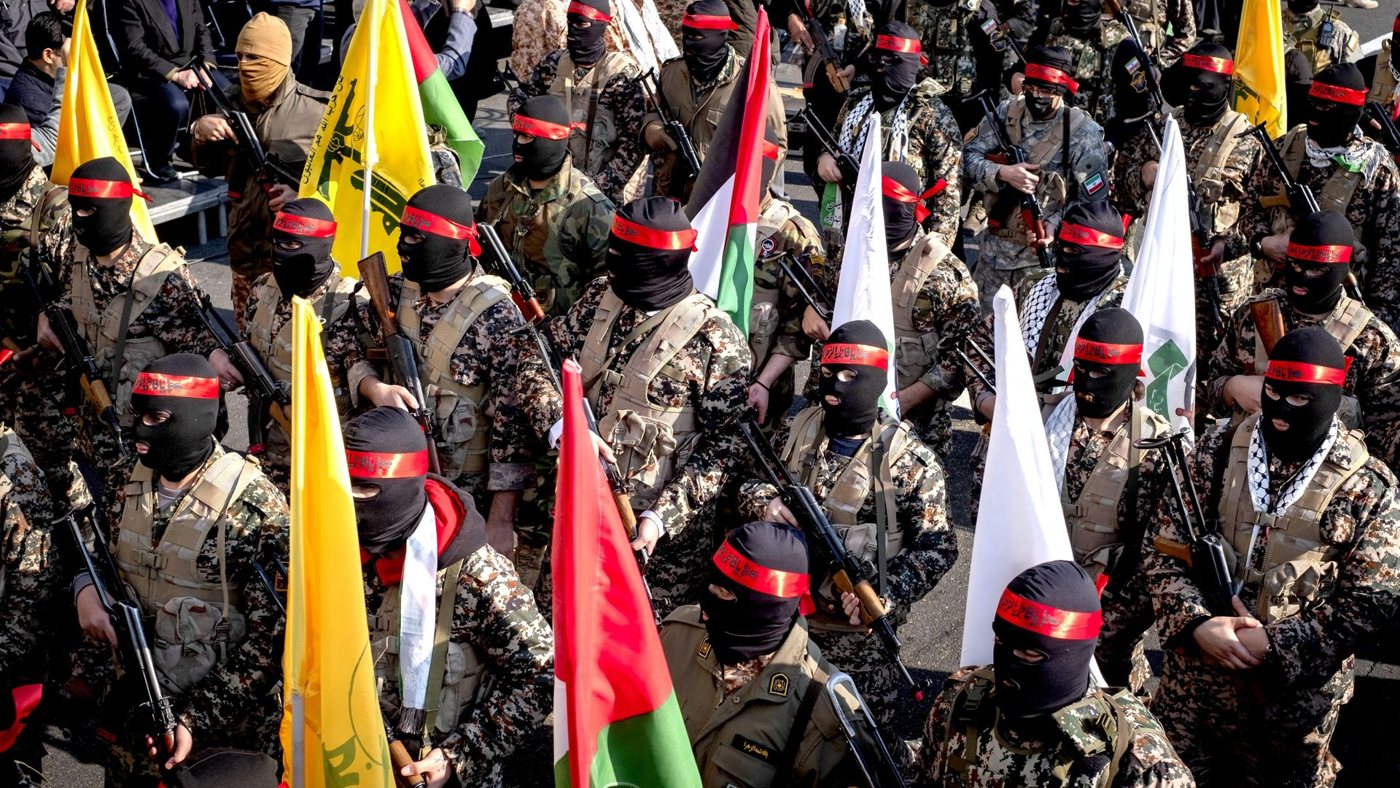
The UK government has proscribed Iran's Islamic Revolutionary Guard Corps (IRGC) as a terrorist organisation, citing threats to life and intimidation on British soil. The designation, made under new powers in the National Security (State Threats) Act 2026, introduces criminal offences for supporting or benefiting the IRGC, with penalties including life imprisonment.
By Edward Beaumont · 6 min read
The United Kingdom has formally proscribed Iran's Islamic Revolutionary Guard Corps (IRGC) as a terrorist organisation, citing a pattern of threats to life and intimidation on British soil. The Home Office announced the designation on Monday, marking a significant escalation in diplomatic tensions with Tehran. The move uses new powers under the National Security (State Threats) Act 2026, which allows the government to target state-run organisations involved in foreign threat activity.
Home Secretary Yvette Cooper said the designation was necessary to protect the safety and interests of the United Kingdom. The government has identified activity linked to the IRGC that involved threats to life and intimidation within the UK. The decision follows years of pressure from politicians and campaigners who argued that the IRGC, which backs terrorist activity outside Iran, should be treated as a proscribed organisation. Previous Conservative and Labour governments had resisted such a move, arguing that laws intended to target terrorist groups were difficult to apply to a state-run entity.
The new designation introduces criminal offences for supporting, assisting, or obtaining material benefit from the IRGC. Individuals who engage in espionage, sabotage, or foreign interference for or on behalf of the IRGC, or with the intention to benefit it, may also be charged under the National Security Act 2023. The maximum penalty for these offences is life imprisonment. The Home Office said the designation sends a clear message that the UK will not tolerate activities that threaten its national security or the safety of its citizens.
The IRGC has been linked to a series of hostile actions targeting the UK and its allies. In January 2024, the UK announced sanctions against Iranian officials responsible for threats to kill on British soil, including members of IRGC Unit 840. That unit was exposed in connection with plots to assassinate two Iran International TV journalists in the UK. In 2022, the National Cyber Security Centre, alongside international partners, issued an advisory highlighting the threat from IRGC-affiliated cyber proxy actors targeting entities across multiple US critical infrastructure sectors, as well as organisations in Australia, Canada, and the UK.
Between March and May 2026, a series of attacks and attempted attacks targeted Jewish communities, journalists, and Israeli interests in the UK and across Europe. These incidents included acts of arson and intimidation, causing real fear and distress among affected communities. The Islamic Movement of Companions of the Right (IMCR), also known as Harakat Ashab al-Yamin al-Islamiyah, publicly claimed seven attacks at UK locations linked to Jewish and Israeli communities, as well as Persian-language media. Among these was an antisemitic arson attack on four Hatzola ambulances in Golders Green on 23 March.
Prime Minister Keir Starmer has ordered the proscription, which is seen as a major policy shift. The decision comes amid broader efforts to strengthen the UK's national security framework. The government has also been reviewing its approach to state threats, with the new National Security Act providing additional tools to counter hostile state activity. The proscription of the IRGC is expected to have significant implications for UK-Iran relations, which have been strained for years over issues including Iran's nuclear programme, its support for proxy groups in the Middle East, and its treatment of dissidents abroad.
The IRGC is a powerful military and political force in Iran, with extensive economic interests and a history of involvement in operations beyond the country's borders. It has been designated as a terrorist organisation by the United States and several other countries. The UK's decision aligns it more closely with its allies, though it also risks provoking a strong response from Tehran. Iranian officials have previously warned that such a move would be considered a hostile act.
The Home Office said the designation is based on a careful assessment of the IRGC's activities and the threat they pose to the UK. The government emphasised that the decision was made in accordance with legal requirements and with the aim of protecting national security. The move has been welcomed by campaign groups and politicians who have long called for the IRGC to be proscribed, though some have argued that the government should have acted sooner.
The proscription adds to a series of measures the UK has taken to counter Iranian influence and activity. These include sanctions on individuals and entities linked to the Iranian regime, as well as efforts to strengthen cybersecurity and counter-espionage capabilities. The government has also been working with international partners to address the broader threat posed by Iran's activities in Europe and beyond.