
Business 110
Dacia CEO Urges EU to Freeze Small Car Rules to Cut Prices
In this issue
Business 110
Dacia CEO Urges EU to Freeze Small Car Rules to Cut Prices
Culture 89
1988 Porsche 911 Carrera Targa G50 with Rebuilt Engine Heads to Auction
Economy 30
HMRC is writing to low earners about pension top-ups averaging about £70
News 123
Aftermarket Trackers Recover 99% of Stolen Cars as Factory Systems Fail
Politics 104
Met police open inquiry into alleged foreign donations to Reform UK
Sports 231
AMG GT Black Series Spied With Radical Aero Ahead of Nürburgring Record Attempt
Technology 117
BMW Confirms Next 3 Series Will Retain Plug-In Hybrid Power
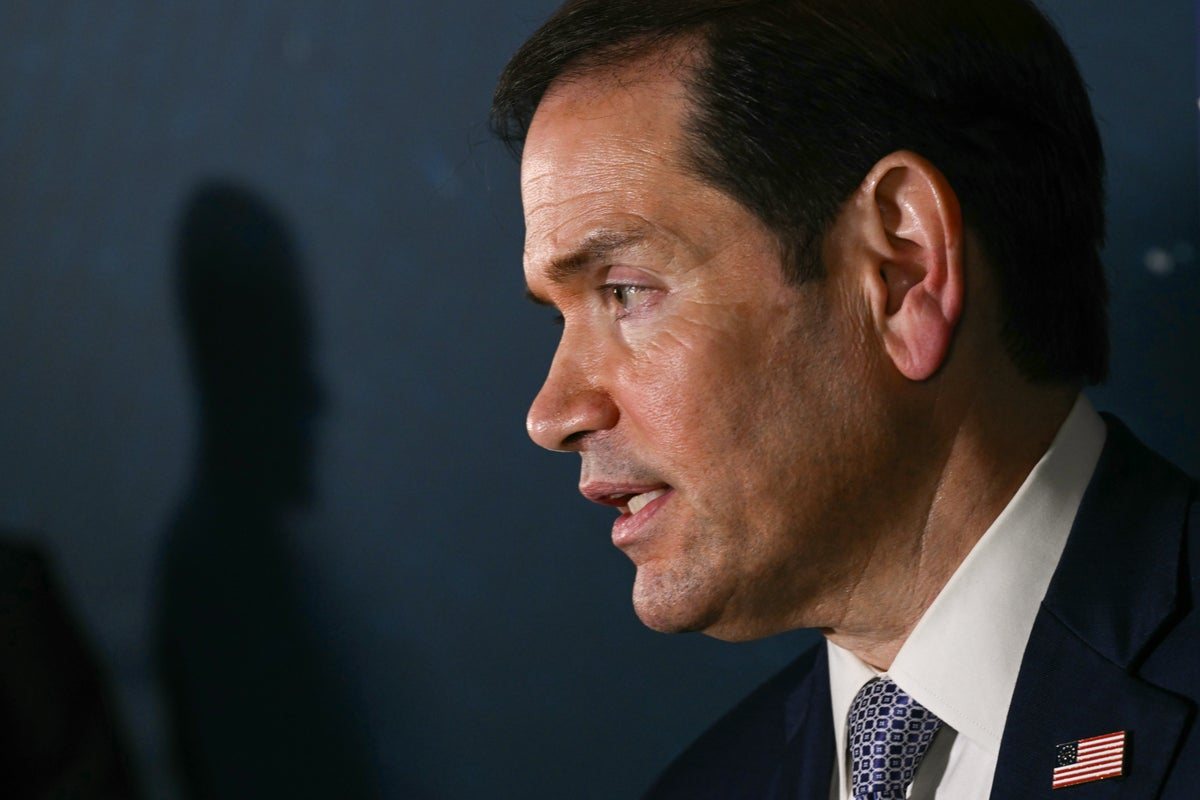
The Trump administration has signed a landmark civilian nuclear agreement with Saudi Arabia that could allow the kingdom to enrich uranium, raising nonproliferation concerns.
By Edward Beaumont · 7 min read
The United States and Saudi Arabia have signed a civilian nuclear cooperation agreement that could permit the kingdom to enrich uranium, a development that has drawn both praise and concern from experts and lawmakers. US Energy Secretary Chris Wright announced the deal on Wednesday, describing it as an arrangement that “upholds the highest standards of nuclear safety and nonproliferation.”
The agreement, which is expected to last 30 years, would involve American companies in developing Saudi Arabia’s civilian nuclear program. It marks a significant shift in US policy, as Washington has long resisted allowing other nations to enrich uranium due to the risk that the technology could be used to produce nuclear weapons. Enriched uranium can be used as fuel for power plants but, if further processed, can also be used in atomic bombs.
President Donald Trump took to Truth Social shortly after the announcement to comment on the broader regional context. He noted that the US would destroy one bridge or power plant, including those near Tehran, “any time” that Iran “shoots a ship” in the Strait of Hormuz. The statement underscored the tense geopolitical backdrop against which the nuclear deal was signed.
The agreement has been in negotiation for months and represents a cornerstone of the Trump administration’s strategy to deepen ties with Riyadh while countering Iranian influence in the Middle East. Saudi Arabia has long sought US assistance in developing nuclear energy as part of its Vision 2030 plan to diversify its economy away from oil. The kingdom has argued that it needs enrichment capabilities to ensure energy security and to compete with other regional powers, including Iran, which already enriches uranium.
Critics of the deal have warned that permitting Saudi Arabia to enrich uranium could trigger a nuclear arms race in the volatile Middle East. Nonproliferation advocates point out that enrichment technology is a dual-use capability, meaning it can be used for both peaceful energy production and weapons development. They have called for strict safeguards and monitoring by the International Atomic Energy Agency (IAEA) to ensure that Saudi Arabia does not divert enriched material for military purposes.
Supporters of the agreement, however, argue that it includes robust nonproliferation provisions and that US involvement will give Washington significant oversight over the kingdom’s nuclear activities. They also note that the deal could create thousands of American jobs in the nuclear energy sector and strengthen the US-Saudi strategic partnership at a time when China and Russia are vying for influence in the region.
The announcement comes amid heightened tensions in the Persian Gulf, where Iran has repeatedly harassed commercial shipping and US naval vessels. Trump’s threat to destroy Iranian infrastructure in response to any attack on ships in the Strait of Hormuz signals that the administration is prepared to use military force to protect freedom of navigation. The strait is a critical chokepoint through which about 20 percent of the world’s oil passes.
Secretary of State Marco Rubio also welcomed the agreement, saying it would “deepen the strategic partnership between the United States and Saudi Arabia and promote stability in the Middle East.” He emphasized that the deal would be implemented with full transparency and in compliance with international nonproliferation norms.
The nuclear agreement is separate from the broader normalization talks between Saudi Arabia and Israel, which the Trump administration has been pushing as part of the Abraham Accords. However, the two tracks are linked, as Riyadh has made progress on its civilian nuclear program a condition for normalizing relations with Israel. Israeli officials have expressed concern about the deal but have not publicly opposed it, preferring to rely on US assurances that Saudi enrichment will be tightly controlled.
Congress will have 90 days to review the agreement before it can take effect. Some lawmakers have already signaled that they will scrutinize the terms closely. Senator Bob Menendez, a Democrat on the Senate Foreign Relations Committee, said he would “carefully examine whether the deal contains sufficient safeguards to prevent proliferation.” He added that “any agreement that allows Saudi Arabia to enrich uranium must include ironclad guarantees that the technology will not be used for weapons.”
The White House has expressed confidence that the agreement will pass congressional review, noting that it includes provisions for IAEA inspections and limits on the type and quantity of enriched uranium that Saudi Arabia can produce. The administration also pointed out that the deal requires Saudi Arabia to sign the IAEA’s Additional Protocol, which allows for more intrusive inspections of nuclear facilities.
For Saudi Arabia, the agreement is a major diplomatic victory. Crown Prince Mohammed bin Salman has made nuclear energy a priority for the kingdom, and securing US approval for enrichment is seen as a key step toward achieving energy independence and technological advancement. The deal also strengthens Riyadh’s bargaining position in future negotiations with Washington and other world powers.
As the details of the agreement become public, the debate over its implications is likely to intensify. Proponents argue that it is a necessary and responsible way to help a key ally develop clean energy while maintaining strong nonproliferation standards. Opponents counter that it sets a dangerous precedent and could undermine decades of efforts to prevent the spread of nuclear weapons technology. The coming months will determine whether the deal can withstand the scrutiny of Congress and the international community.