
Business 110
Dacia CEO Urges EU to Freeze Small Car Rules to Cut Prices
In this issue
Business 110
Dacia CEO Urges EU to Freeze Small Car Rules to Cut Prices
Culture 89
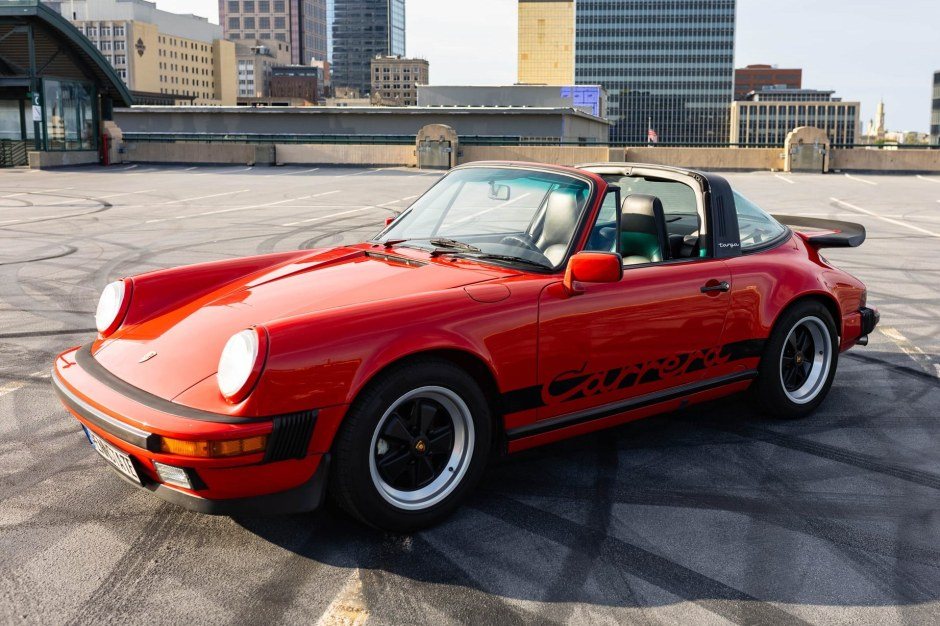
1988 Porsche 911 Carrera Targa G50 with Rebuilt Engine Heads to Auction
Economy 30
HMRC is writing to low earners about pension top-ups averaging about £70
News 123
Aftermarket Trackers Recover 99% of Stolen Cars as Factory Systems Fail
Politics 104
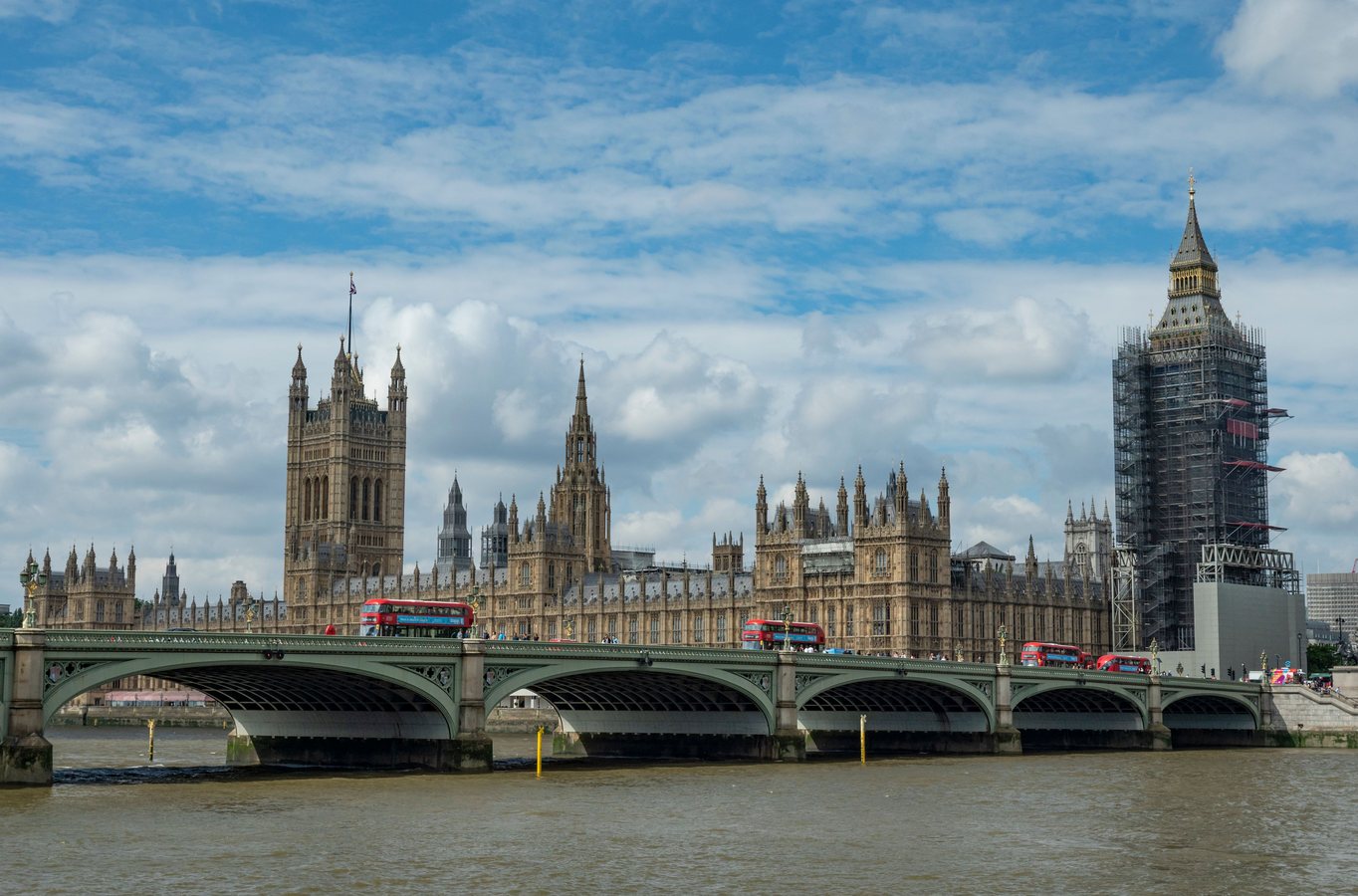
Met police open inquiry into alleged foreign donations to Reform UK
Sports 231
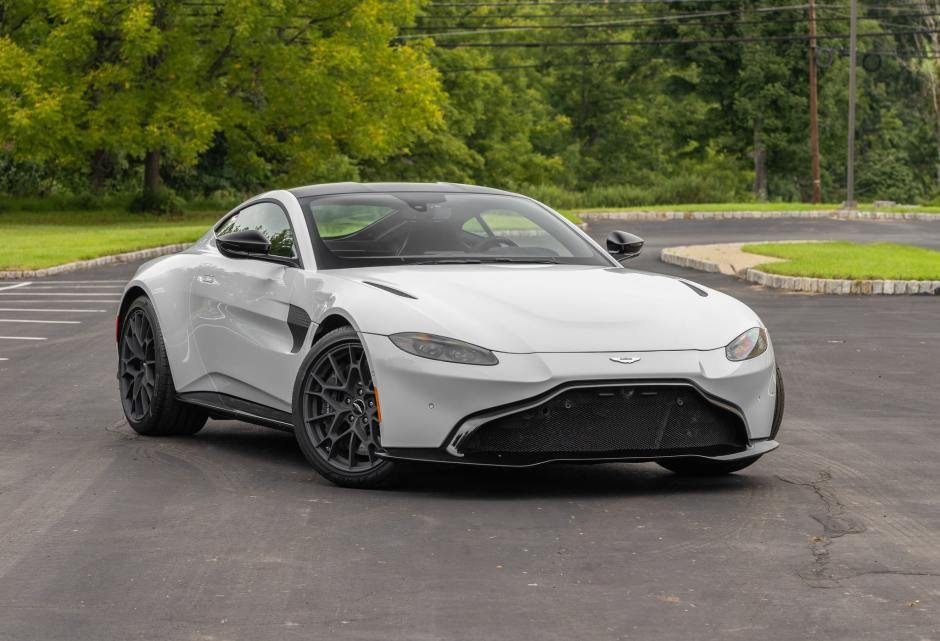
AMG GT Black Series Spied With Radical Aero Ahead of Nürburgring Record Attempt
Technology 116
Waymo Expands Driverless Ride-Hailing to Las Vegas
The United States has paused military strikes on Iran for a second consecutive night as peace talks continue, with Donald Trump weighing options amid warnings from military chiefs about munitions stockpiles.
By Charlotte Redford · 4 min read
The United States has paused military strikes on Iran for a second consecutive night, as diplomatic efforts to prevent a full-scale regional war gain momentum. Donald Trump is said to be weighing both diplomatic and military options in the nearly five-month-old conflict, with the Israeli prime minister, Benjamin Netanyahu, expected to visit the White House on Tuesday. Netanyahu has been a vocal critic of Washington's negotiations with Iranian leaders, and his visit could shape the next phase of US strategy.
The pause follows mounting concerns within the Pentagon about the sustainability of the campaign. Military chiefs have warned that munitions stockpiles are dwindling after months of sustained operations, raising questions about the long-term feasibility of an air war against Iran. While the White House has not confirmed the scale of these concerns, the decision to hold off on further strikes signals a reassessment of military objectives.
Behind the scenes, Oman is pursuing a transit deal aimed at ensuring safe passage through the Strait of Hormuz, a critical chokepoint for global oil supplies. The Omani-mediated talks are seen as a potential off-ramp to the confrontation, though Tehran and Washington remain far apart on key issues. The Financial Times reported that the negotiations focus on guaranteeing freedom of navigation in exchange for de-escalation, but no agreement has yet been reached.
The New York Times reported that Trump has held off on a major escalation despite pressure from some advisers, who have raised concerns about the risks of a broader war. The president is said to be looking for a way to claim victory without committing to a prolonged ground operation, while also managing expectations from Israel. Netanyahu's visit is expected to test the limits of US-Israeli alignment on Iran policy, as the prime minister has repeatedly called for a tougher line against Tehran.
The nearly five-month conflict began after a series of escalating exchanges between the US and Iran, including drone attacks on US bases in the region and the seizure of commercial vessels in the Gulf. The Trump administration responded with airstrikes targeting Iranian military facilities, but the campaign has not halted Iran's nuclear or missile programs. The pause in strikes offers a window for diplomacy, but the underlying tensions remain high, with both sides maintaining a heavy military posture in the region.
The decision to pause attacks comes as the White House faces growing domestic pressure to limit US involvement in another Middle Eastern war. Republican and Democratic lawmakers have both expressed concerns about the cost and duration of the campaign, with some calling for a clear exit strategy. Meanwhile, international allies have urged restraint, warning that a wider conflict could destabilise energy markets and trigger a humanitarian crisis.
As the talks continue, the future of the conflict hangs in the balance. The next few days will be critical, with Netanyahu's visit and the Omani mediation providing potential turning points. The US has made clear that it reserves the right to resume strikes if negotiations fail, but the pause demonstrates a willingness to explore diplomatic alternatives after months of fighting.