
Business 110
Dacia CEO Urges EU to Freeze Small Car Rules to Cut Prices
In this issue
Business 110
Dacia CEO Urges EU to Freeze Small Car Rules to Cut Prices
Culture 89
1988 Porsche 911 Carrera Targa G50 with Rebuilt Engine Heads to Auction
Economy 30
HMRC is writing to low earners about pension top-ups averaging about £70
News 123
Aftermarket Trackers Recover 99% of Stolen Cars as Factory Systems Fail
Politics 104
Met police open inquiry into alleged foreign donations to Reform UK
Sports 231
AMG GT Black Series Spied With Radical Aero Ahead of Nürburgring Record Attempt
Technology 116
Waymo Expands Driverless Ride-Hailing to Las Vegas
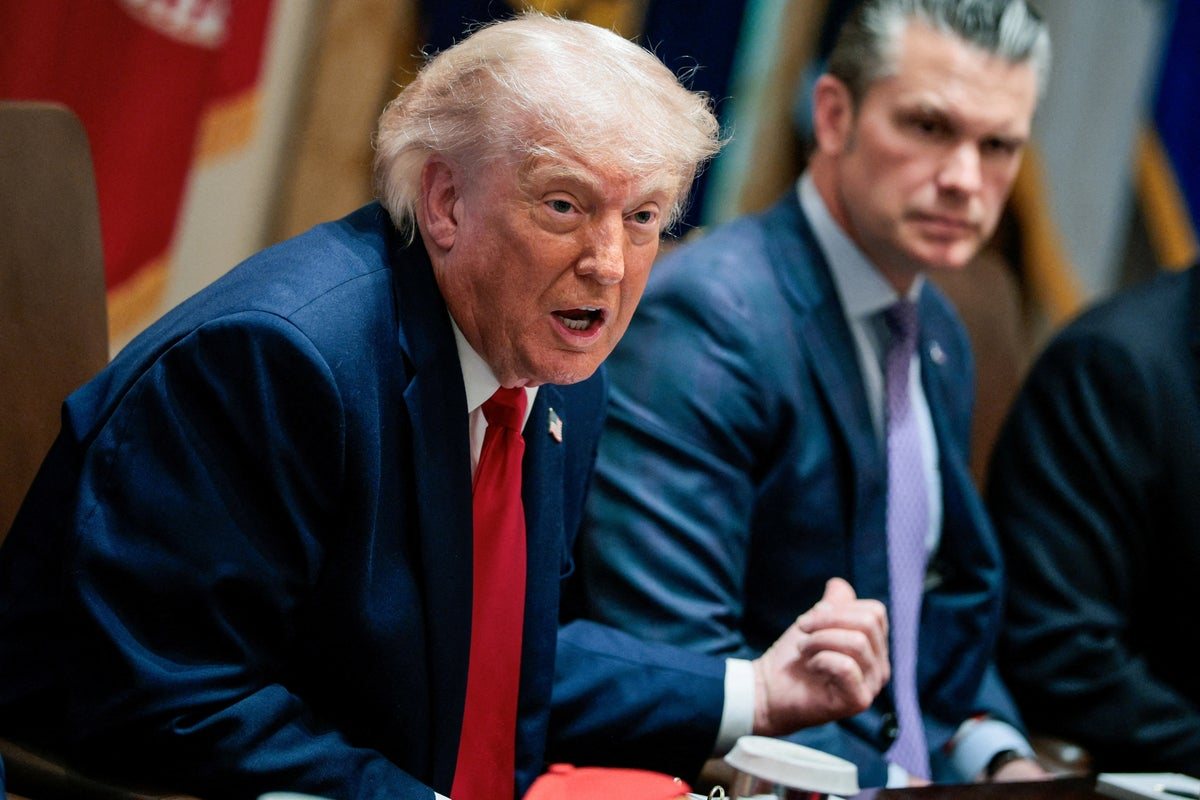
The US military has completed its 11th night of strikes against Iran, as President Trump threatens to target the underground nuclear site at Pickaxe Mountain. The escalation overshadows diplomatic efforts in Pakistan to salvage an interim ceasefire deal, while Houthi rebels warn of attacks on shipping tankers using Saudi ports.
By Charlotte Redford · 5 min read
The United States military has carried out its 11th consecutive night of strikes against Iranian targets, as President Donald Trump escalates his rhetoric by threatening to attack Iran's underground nuclear facility known as Pickaxe Mountain. The renewed bombing campaign marks a significant intensification of the conflict, which has already drawn in regional actors and disrupted global shipping routes.
President Trump stated that US forces would target the heavily fortified Pickaxe Mountain area «very heavily,» raising fears of a direct assault on Iran's most sensitive nuclear infrastructure. The facility, buried deep beneath a mountain in central Iran, is believed to house advanced centrifuge equipment and enriched uranium stockpiles. Analysts have long considered it one of the most protected sites in the country, making any military operation against it extremely complex.
The ongoing strikes have overshadowed parallel diplomatic efforts in Pakistan, where international mediators have been attempting to broker an interim ceasefire between the warring parties. Sources close to the talks indicate that the renewed US military action has complicated negotiations, with Iranian representatives demanding an immediate halt to hostilities as a precondition for any truce. The Pakistani government has urged restraint from both sides, warning that a wider regional war could have catastrophic consequences.
Meanwhile, the Houthi movement in Yemen has issued a fresh threat against commercial shipping, warning that it will attack any tanker that uses Saudi Arabian ports on the Red Sea. The Houthis, who are aligned with Iran, have already targeted several vessels in the strategic waterway, disrupting global oil supplies and driving up insurance costs for shippers. The latest warning is likely to further destabilise the region and increase pressure on international navies patrolling the area.
The conflict has also had a significant economic impact, with US Defense Secretary Pete Hegseth revealing the staggering cost of the military campaign. Speaking before a Senate committee, Hegseth disclosed that the operations have already cost billions of dollars, with no clear end in sight. The financial burden has sparked debate in Washington, with some lawmakers questioning the sustainability of prolonged military engagement in the Middle East.
On the diplomatic front, Lebanese Prime Minister Nawaf Salam visited the village of Zawtar al-Gharbiya on Wednesday, one of several «pilot zones» designed to demonstrate the Lebanese army's ability to remove and disarm Hezbollah fighters as part of a Washington-sponsored agreement with Israel. Salam stated that his government would continue mobilising political and diplomatic efforts to secure a complete Israeli withdrawal from southern Lebanon. The visit underscores the broader regional dimensions of the conflict, as the US seeks to stabilise multiple fronts simultaneously.
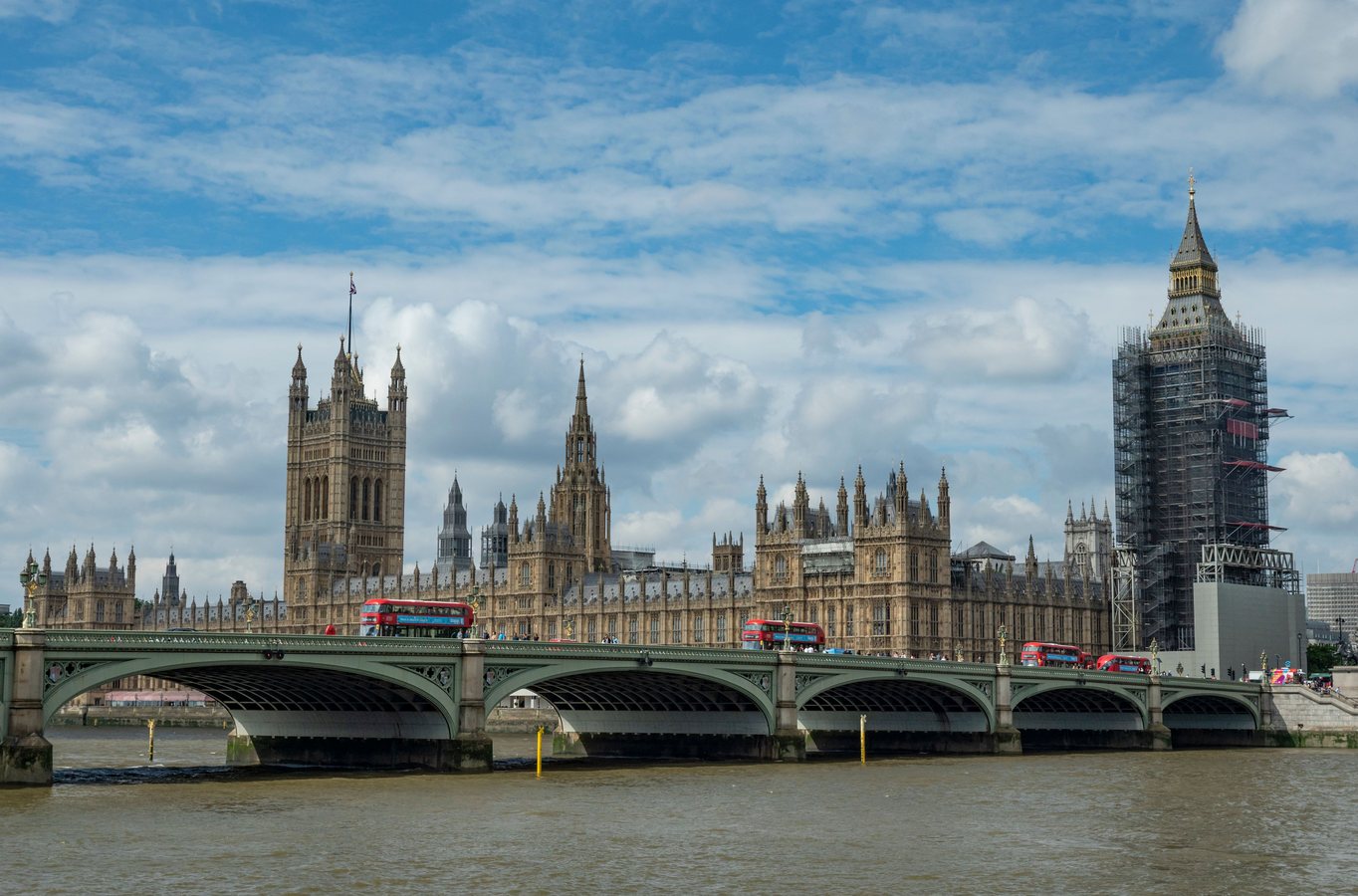
The crisis has also triggered a surge in demand for luxury property in London, as billionaires from the Middle East seek safe havens for their wealth. Real estate agents report a sharp increase in purchases of high-end homes in the capital, driven by fears that the war could destabilise financial markets in the Gulf region. The trend highlights the far-reaching consequences of the conflict beyond the immediate battlefield.
As the US military campaign enters its second week, the international community remains deeply divided over the appropriate response. While Washington insists that the strikes are necessary to prevent Iran from acquiring nuclear weapons, critics argue that the aggressive approach risks triggering a broader war that could engulf the entire region. The coming days are likely to be critical in determining whether diplomatic channels can reopen or whether the conflict will escalate further.