
Business 148
Tesla begins volume production of Semi electric truck at Nevada plant
In this issue
Business 148
Tesla begins volume production of Semi electric truck at Nevada plant
Culture 153
2021 Toyota Land Cruiser Heritage Edition Heads to Auction
Economy 33
Bitcoin and Ethereum Surge to Levels Last Seen in January
News 132
Sarandon and Einbinder arrested at anti-Netanyahu protest in New York
Politics 107
US Lawmakers Move to Permanently Ban Chinese Cars
Sports 246
Alonso Buys Most Expensive Bugatti Veyron Ever Built
Technology 171
LexisNexis and IMS Bring Driving Scores to Insurer Apps Without Dongles
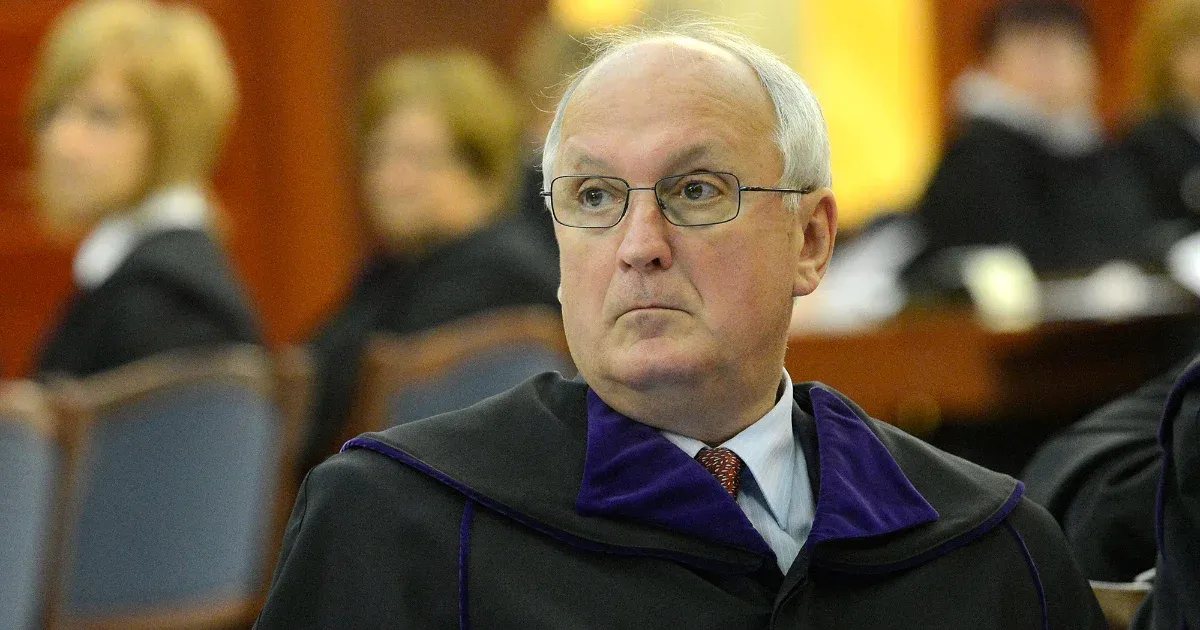
The former Supreme Court chief has been elected president after receiving 140 of 146 ballots. His real leadership challenge will be maintaining independence from the supermajority that restored him to public office.
By Edward Beaumont · 4 min read
Political comebacks are usually measured in elections, party leadership contests or restored ministerial jobs. András Baka’s is different. Hungary’s Parliament has elected the 73-year-old former Supreme Court chief as president, years after an institutional overhaul ended his judicial mandate early. He won 140 of 146 ballots cast and is expected to take office on Aug. 19.
That history makes Baka a striking figure for a country attempting to define what comes after Viktor Orbán. Péter Magyar’s Tisza party won a two-thirds majority in April, ending Orbán’s 16-year run as prime minister. The new government has made institutional reform central to its identity, arguing that Hungary needs stronger democratic checks and a clearer European orientation.
Baka offers a ready-made biography for that project. He spent many years as a judge at the European Court of Human Rights before being elected president of Hungary’s Supreme Court in 2009. He later criticised changes to the judicial system introduced by the Orbán government.
When the Supreme Court was transformed into the Kúria, his six-year term ended prematurely. He challenged the outcome in Strasbourg. In 2016, the Grand Chamber of the European Court of Human Rights found violations of the Convention in Baka v. Hungary.
The case turned a domestic personnel dispute into a wider European argument about judicial independence, institutional design and whether senior judges can speak publicly about reforms affecting their branch of government. It also turned Baka into a figure whose personal authority rests partly on having resisted political pressure.
The new Tisza majority has now placed him in the presidency after Tamás Sulyok’s departure following a constitutional process in July. Fidesz boycotted the vote and argues that the new governing bloc is using its supermajority too aggressively. Tisza says the changes are required to undo distortions of the previous era.
Leadership matters most at the point where power could be used but is voluntarily restrained. That is the challenge facing both Baka and Magyar. The Hungarian president is largely ceremonial and does not set economic or foreign policy, but the office has a role in the legislative process. A president with an independent view can therefore matter when Parliament pushes controversial laws through quickly.
Baka’s first public message was calibrated to that responsibility. He spoke of neutrality, reconciliation and avoiding revenge. He also stressed Hungary’s European identity. The language is notable because the moment could easily support a triumphalist narrative about a man returning after being wronged; Baka instead presented the office as something that should stand outside the victory of one camp.
The test will be whether that approach survives contact with the governing majority. If Baka is asked to review measures that advance Tisza’s programme but stretch institutional safeguards, his response will say far more about his presidency than the symbolism of his election. On Aug. 19, he will formally step into a role above party politics. The strongest version of his comeback would be proving that restraint matters even when his own side holds the votes.
62