
Business 202
Geely Confirms Canadian Launch for 2027
In this issue
Business 202
Geely Confirms Canadian Launch for 2027
Culture 231
GT500E-Style 1967 Ford Mustang Fastback with 437 Stroker V8 Heads to Auction
Economy 37
Russia's EV Share Overtakes US as Fuel Shortages Bite
News 149
Weekly Exercise Linked to Slower Memory and Movement Decline in Parkinson's Patie…
Politics 110
Trump Names Katie Zacharia as White House Press Secretary
Sports 266
Arsenal to Host Leeds United in Premier League Clash
Technology 263
GAC Aion V Review: Odd Looks, Premium Cabin, £24,000 Price
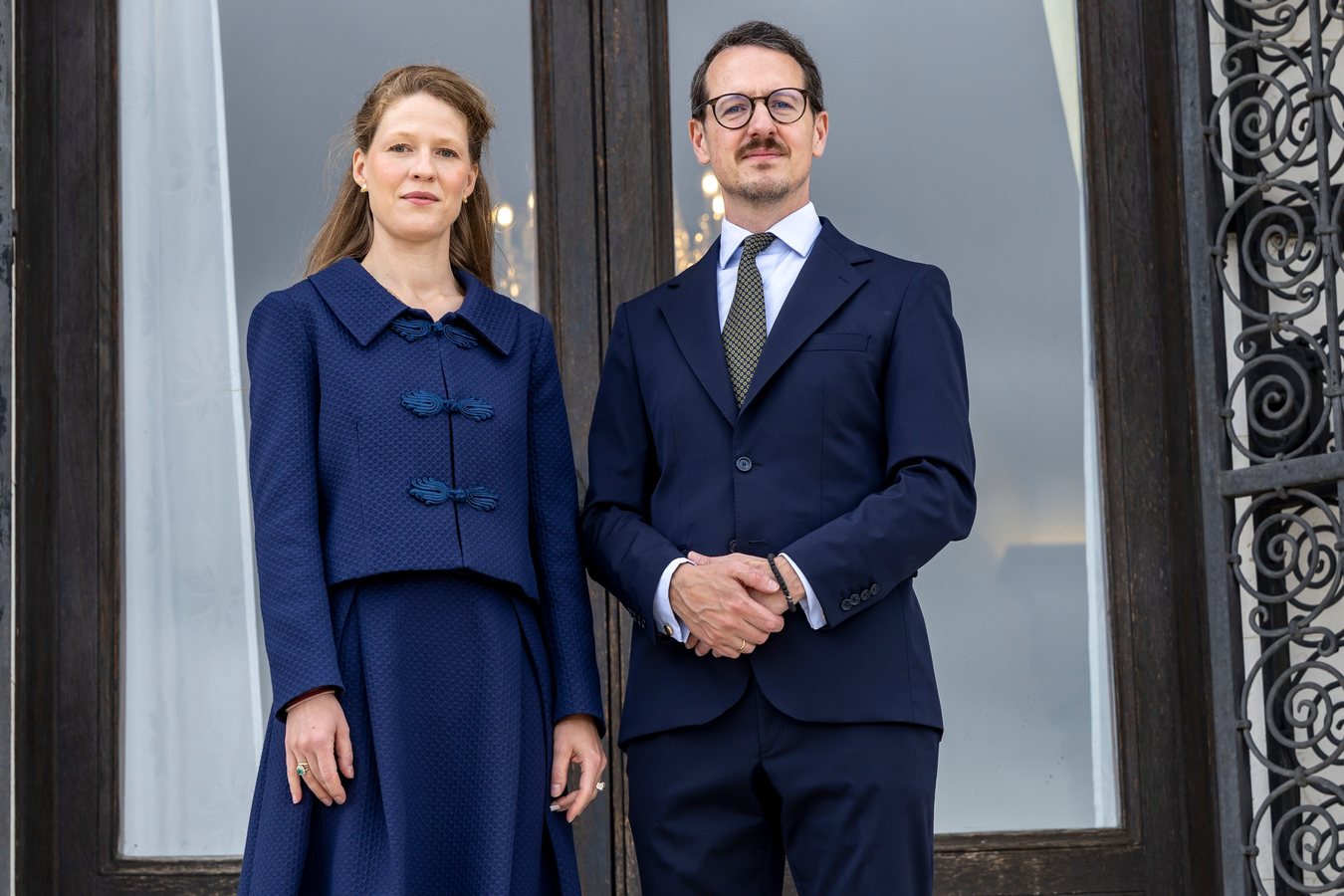
Prince Filip Karadjordjevic has returned to Serbia with his family, seeking to restore the constitutional monarchy. The heir argues that a crown above politics guarantees continuity, while authorities remain cautious about the dynasty's ambitions.
By George Kensington · 4 min read
The Karadjordjevic dynasty is attempting to reclaim a place in Serbian public life, with Prince Filip at the forefront of a campaign to restore the constitutional monarchy. The heir to the throne, who has returned to the country with his family, argues that a crown standing above party politics would serve as a guarantee of institutional continuity for the state.
«Constitutional monarchy stands above politics and is a guarantee of continuity», the young aristocrat said in his first public remarks since settling back in Serbia. The statement signals a deliberate shift from symbolic nostalgia to an active political project, as the family seeks to transform its historical legacy into a modern constitutional role.
The return of the Karadjordjevics comes at a delicate moment for the Serbian state, which has not yet decided how to treat its former ruling house. While the dynasty is recognised as part of the country's heritage, official circles have kept their distance, treating the family with caution rather than embracing its ambitions. The authorities have neither endorsed nor formally rejected the monarchist cause, leaving the constitutional question open.
Prince Filip's campaign is built on the idea that a monarch could act as a neutral arbiter in a political system frequently marked by polarisation. His supporters argue that a hereditary head of state would be less exposed to partisan pressures than an elected president, and would therefore be better placed to represent the nation as a whole. Critics, however, point out that the restoration of the monarchy would require a constitutional overhaul and a popular referendum, both of which remain distant prospects.
The dynasty's history is deeply intertwined with Serbian statehood. The Karadjordjevics ruled the Kingdom of Serbia and later the Kingdom of Yugoslavia before the Second World War, when the monarchy was abolished by the communist authorities. The family spent decades in exile, mostly in London, before the political changes of the 1990s allowed its members to revisit their homeland. The current generation, led by Prince Filip, is the first to attempt a serious political comeback rather than a purely ceremonial presence.
The family's return has revived a debate that has simmered in Serbian society for years. Polls have shown fluctuating support for the monarchy, with younger generations often more open to the idea than those who remember the communist era. The Orthodox Church, a powerful institution in the country, has historically maintained cordial relations with the dynasty, though it has stopped short of endorsing a restoration.
For now, the Karadjordjevics are focusing on building a public profile. Prince Filip has been meeting with cultural figures, veterans' organisations and local communities, presenting the monarchy as a unifying force rather than a relic of the past. The strategy is deliberately gradual: first visibility, then legitimacy, and only then a formal political demand.
The authorities' restrained response suggests they are watching the campaign without wishing to elevate it. Government officials have made no public comment on the prince's statements, and state media have given the story limited coverage. The dynasty, however, appears prepared for a long effort, treating the restoration of the monarchy as a generational project rather than an immediate political battle.
61