Business 148
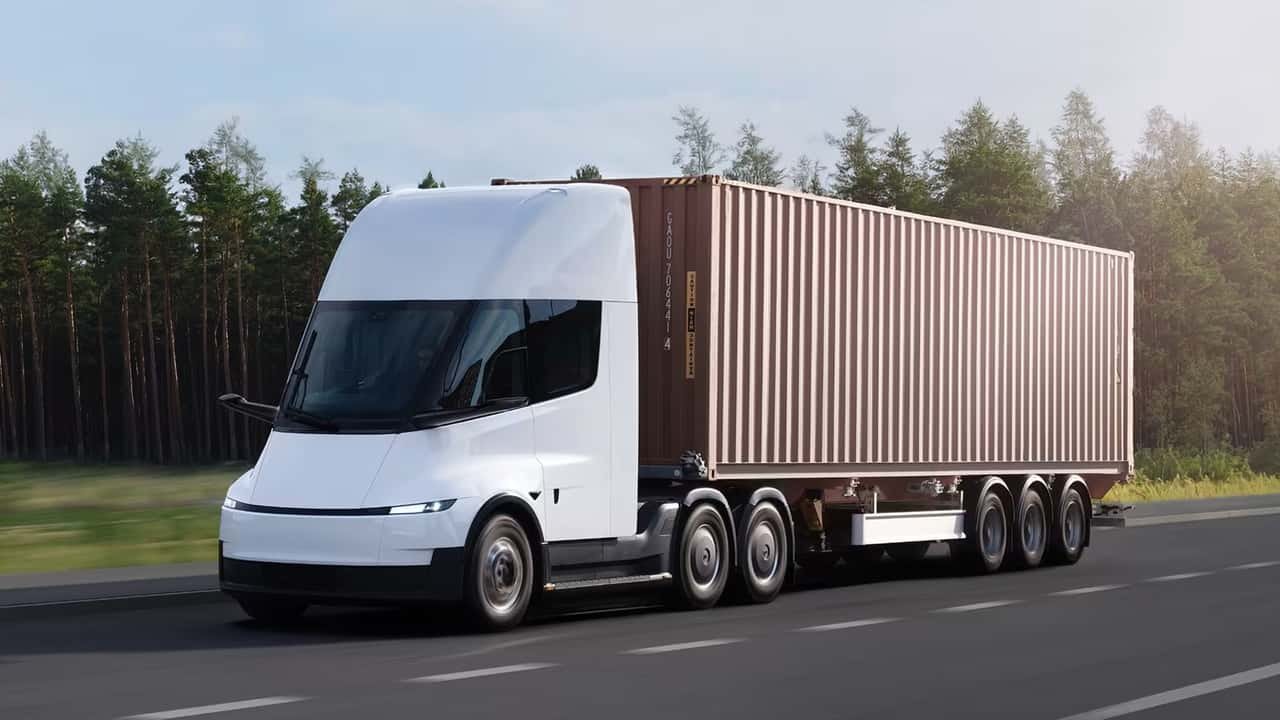
Tesla begins volume production of Semi electric truck at Nevada plant
In this issue
Business 148
Tesla begins volume production of Semi electric truck at Nevada plant
Culture 153
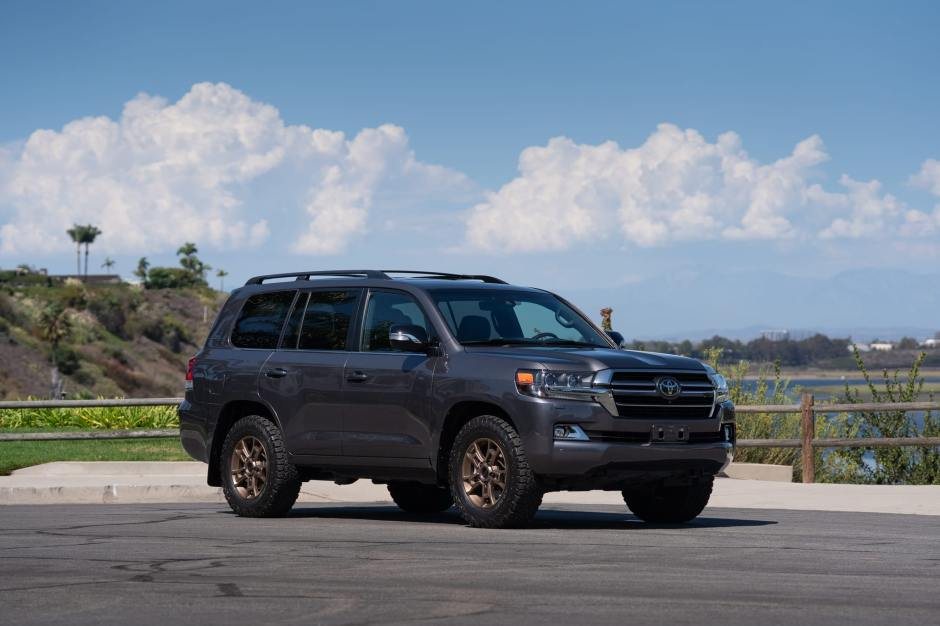
2021 Toyota Land Cruiser Heritage Edition Heads to Auction
Economy 33
Bitcoin and Ethereum Surge to Levels Last Seen in January
News 132
Sarandon and Einbinder arrested at anti-Netanyahu protest in New York
Politics 107
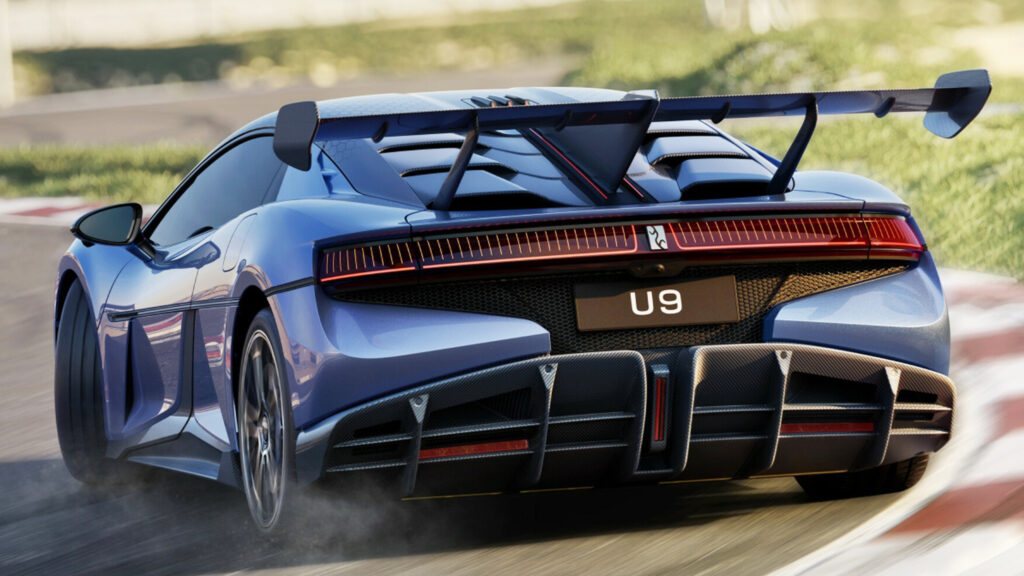
US Lawmakers Move to Permanently Ban Chinese Cars
Sports 246
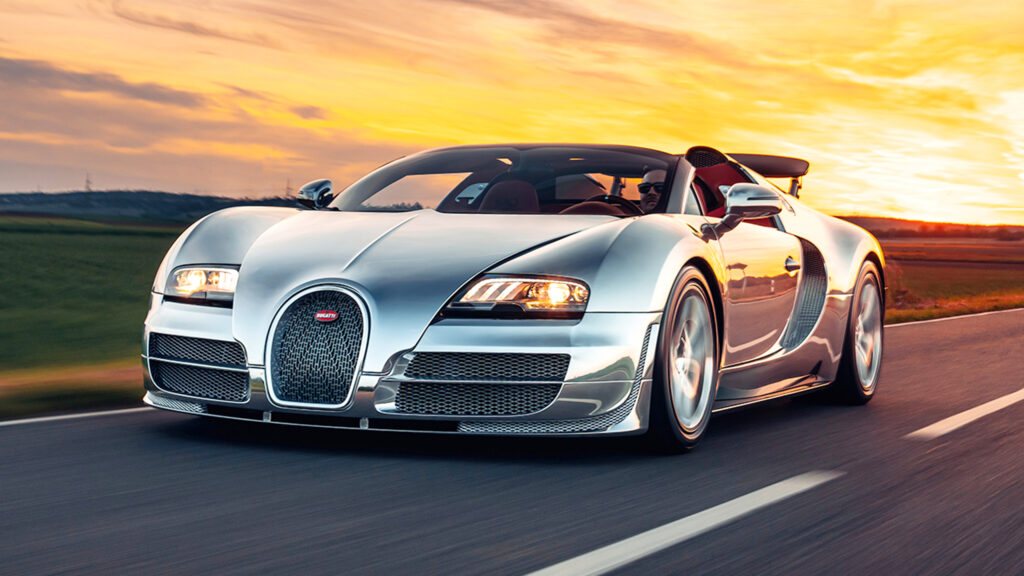
Alonso Buys Most Expensive Bugatti Veyron Ever Built
Technology 171
LexisNexis and IMS Bring Driving Scores to Insurer Apps Without Dongles
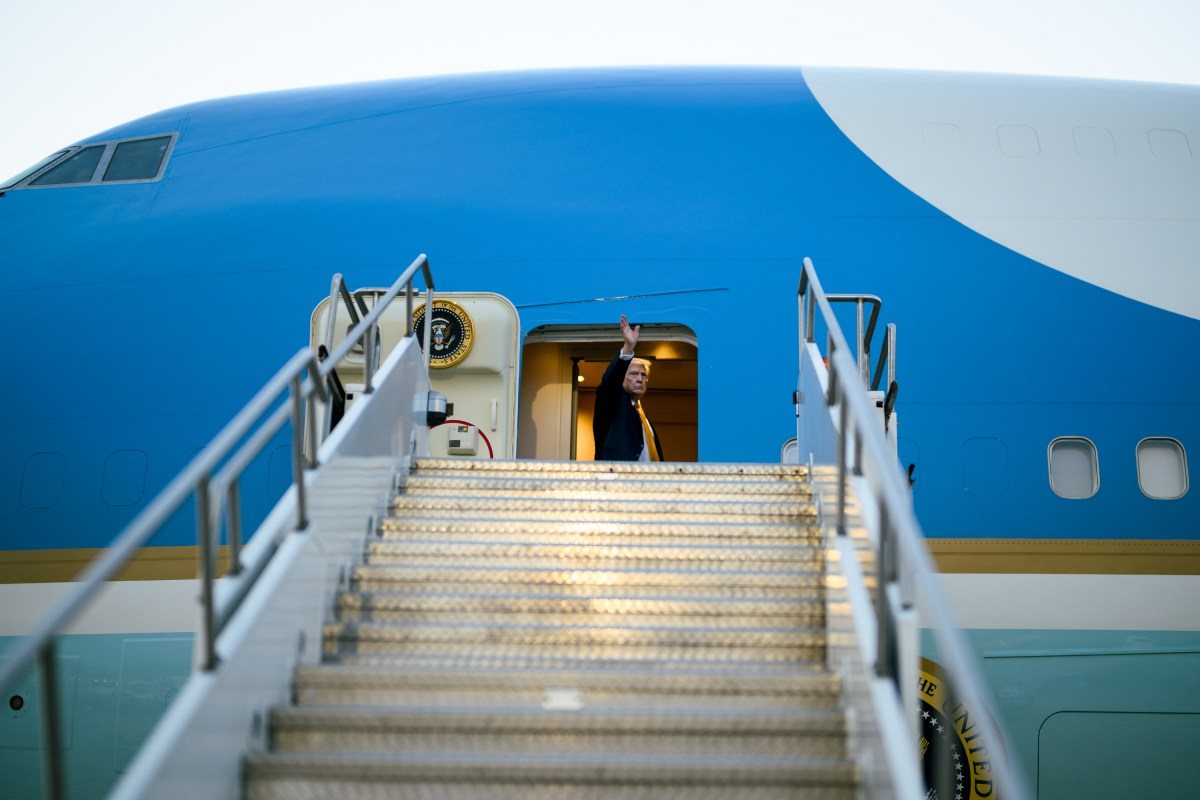
The president’s team turned Air Force One into a decoy and moved him by catering truck to a C-32A, raising questions about secrecy, risk and command decisions.
By Edward Beaumont · 5 min read
The striking image from President Donald Trump’s departure from Ankara was meant to be reassuringly familiar: the president walking up the steps of Air Force One after a NATO summit. A month later, that photograph tells a different story. The aircraft was not the one that carried him out of Turkey.
The Washington Post reported that Trump was secretly taken off the older presidential jet after boarding it publicly on July 8. An airport catering truck moved him across the tarmac to an Air Force C-32A, while the older Boeing 747 departed with journalists and some White House staff who believed the president was aboard. The Associated Press and The Wall Street Journal have since reported corroborating details.
The operation was driven by intelligence about a threat from Iran to Trump and Air Force One. According to The Wall Street Journal, Israel had shared information with the United States that included a possible shoulder-fired missile threat. Officials have not said publicly how imminent the danger was, and no attack occurred. But the response suggests senior security officials believed the normal advantages of a heavily protected, highly visible presidential aircraft had become liabilities.
That is the leadership problem at the centre of the episode. Presidential travel is designed to project continuity and control. In a crisis, however, the job of the security apparatus is not to preserve the symbolism of the office but to keep the officeholder alive. The Ankara plan did that by making the public symbol — Air Force One — expendable as an image while moving the president on a smaller platform.
The C-32A was an appropriate choice. It is not a cargo aircraft but a military version of the Boeing 757-200 configured for U.S. government leaders. It often carries the vice president, cabinet members and other senior officials. It can support high-level travel without advertising the president’s presence in the way a blue-and-white 747 inevitably does.
The catering truck was the low-tech element that made the high-level plan work. Catering vehicles can raise an enclosed compartment to an aircraft door. That allowed Trump to leave the plane without descending a visible staircase and without creating the kind of motorcade movement that would immediately signal a change. The most useful equipment in the operation was therefore not a sophisticated aircraft system but a vehicle that normally delivers meals.
The secrecy extended to people travelling with the White House. Reporters aboard the decoy were instructed to close their window shades as they left Ankara. At the time, the public explanation was that Trump had chosen an older Air Force One for the flight to RAF Mildenhall and would then resume travelling on the new Boeing 747-8 donated by Qatar. Trump denied that security concerns drove the switch but acknowledged continuing Iranian threats against him.
The new 747 soon became part of the same debate. It had been valued at around $400 million and converted rapidly for temporary presidential use while Boeing’s purpose-built replacements remained delayed. Reports questioned whether its defensive capabilities matched those of the older aircraft. Trump later said it would be taken out of service for additional upgrades.
There is no clean leadership lesson here. The operation appears to have accomplished its immediate objective, but it did so by keeping even close support staff and the travelling press in the dark and using their aircraft as part of the deception. That trade-off may have been justified by the threat, but justification depends on facts the public has not seen.
The next chapter will be institutional rather than cinematic. Congress can ask whether the threat assessment warranted the risk distribution, whether all passengers on the decoy were adequately protected, and how new presidential aircraft are certified for hostile environments. The catering truck will remain the memorable detail, but the lasting issue is how leaders and their protectors decide what can be hidden — and from whom — when the stakes are measured in minutes.
66